U.S. Announces Visa Ban for Foreigners Celebrating Charlie Kirk’s Assassination
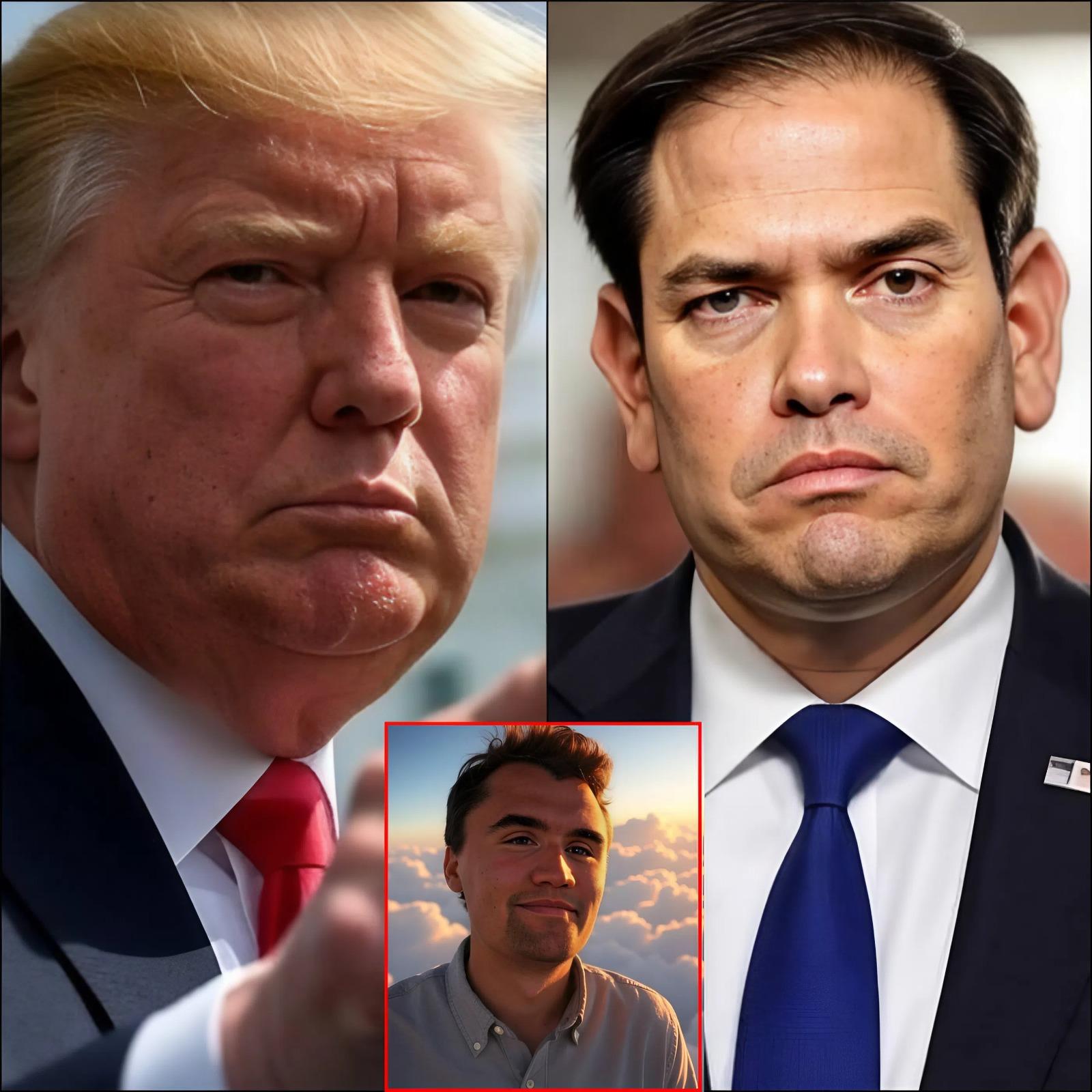
Washington, D.C., September 12, 2025 – In a bold and controversial move, U.S. Secretary of State Marco Rubio announced today that any foreigner who celebrates or downplays the recent assassination of conservative activist Charlie Kirk will be banned from entering the United States. This policy extends to current visa holders, whose visas will be revoked if they are found to have expressed such sentiments. The announcement comes on the heels of President Donald Trump’s order to fly American flags at half-staff until September 14, 2025, in honor of Kirk, whom he described as a “great legend” and a “martyr for truth and freedom.”
The Assassination of Charlie Kirk
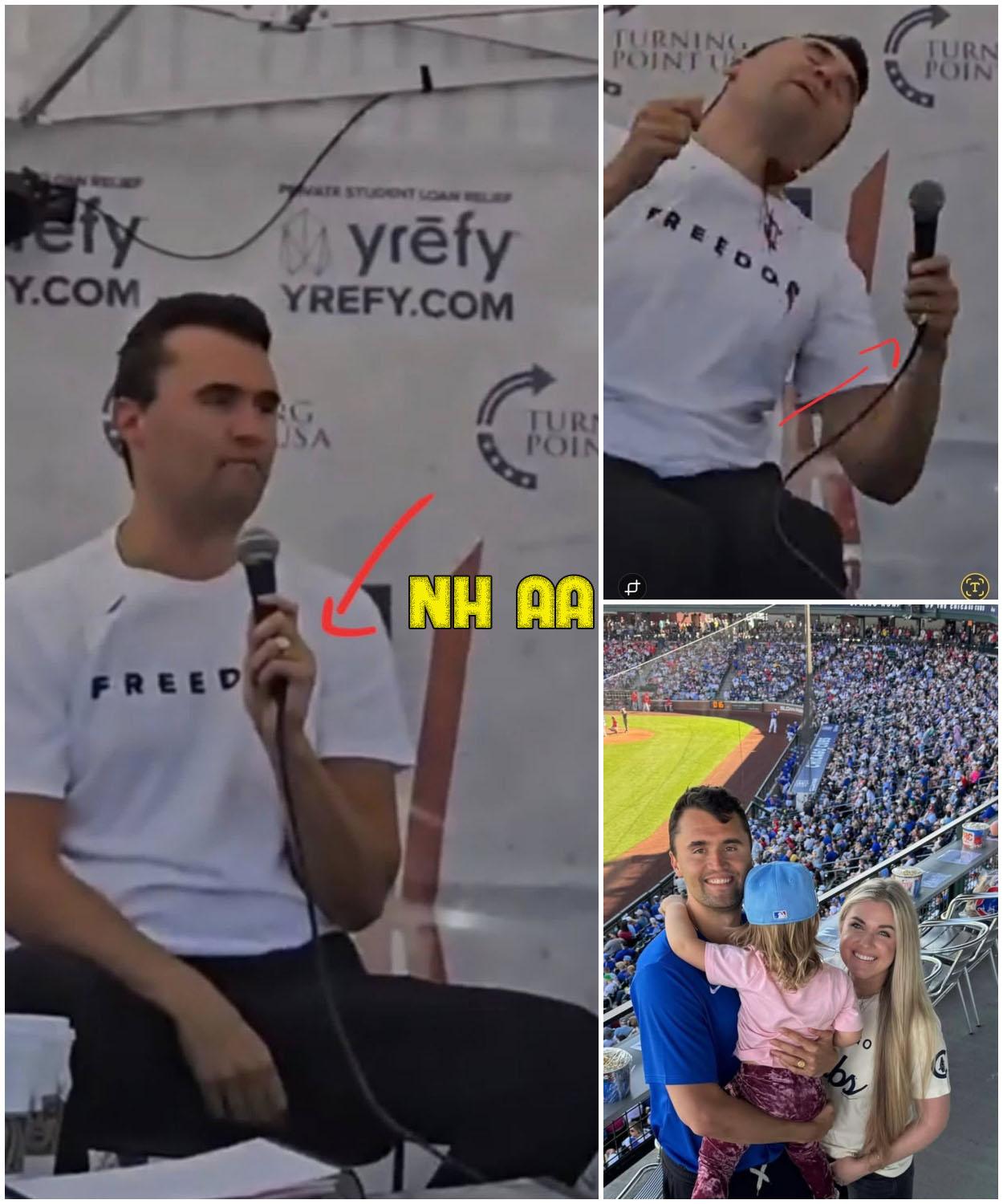
Charlie Kirk, the 31-year-old founder of Turning Point USA and a prominent conservative commentator, was fatally shot on September 10, 2025, during a speaking event at Utah Valley University in Orem, Utah. The incident, described as a targeted assassination, occurred while Kirk was answering questions from students, sending shockwaves through the nation. The FBI has released images of a “person of interest” and recovered ammunition with inscriptions referencing “trans and antifascist messages,” though no suspect has been apprehended as of yet. The investigation remains ongoing, with authorities appealing to the public for information via a dedicated hotline and digital portal.
Kirk, a close ally of President Trump, was a polarizing figure known for his outspoken criticism of progressive ideologies and his influence among young conservative audiences. His death has sparked widespread condemnation across the political spectrum, with former presidents Barack Obama, Bill Clinton, and George W. Bush issuing statements denouncing political violence. House Speaker Mike Johnson called the shooting “detestable,” and Senate Majority Leader John Thune emphasized that “political violence has no place in America.”
Rubio’s Visa Ban Policy
In a statement posted on X at approximately 11:14 AM today, Secretary Rubio declared that foreigners who “glorify violence and hatred” in response to Kirk’s assassination are not welcome in the United States. “In light of yesterday’s horrific assassination of a leading political figure, I want to underscore that foreigners who glorify violence and hatred are not welcome visitors to our country,” Rubio wrote, echoing sentiments expressed by his deputy, Christopher Landau, a day earlier. Landau had urged the public to report foreigners who celebrate or justify Kirk’s death, signaling a renewed effort to target noncitizens for their speech.
Rubio’s announcement builds on the Trump administration’s broader immigration crackdown, which has seen thousands of student visas revoked in 2025 alone. The State Department has already rescinded over 6,000 student visas this year, citing reasons such as visa overstays, criminal activity, and support for movements deemed contrary to U.S. foreign policy, including pro-Palestinian protests. Rubio’s latest policy targets social media activity specifically, with consular officials instructed to take “appropriate action” against visa holders who express support for Kirk’s killing.
Critics argue that this policy infringes on free speech protections and risks overreach. David J. Bier of the Cato Institute noted that the Trump administration’s actions target individuals based on “beliefs, statements, or associations” that are lawful within the United States but deemed adverse to U.S. foreign policy by Rubio. Legal experts warn that such measures could set a precedent for curtailing the rights of both citizens and noncitizens, recalling the Supreme Court’s prior rulings against flag-burning bans as protected speech.
Trump’s Tribute and Political Fallout
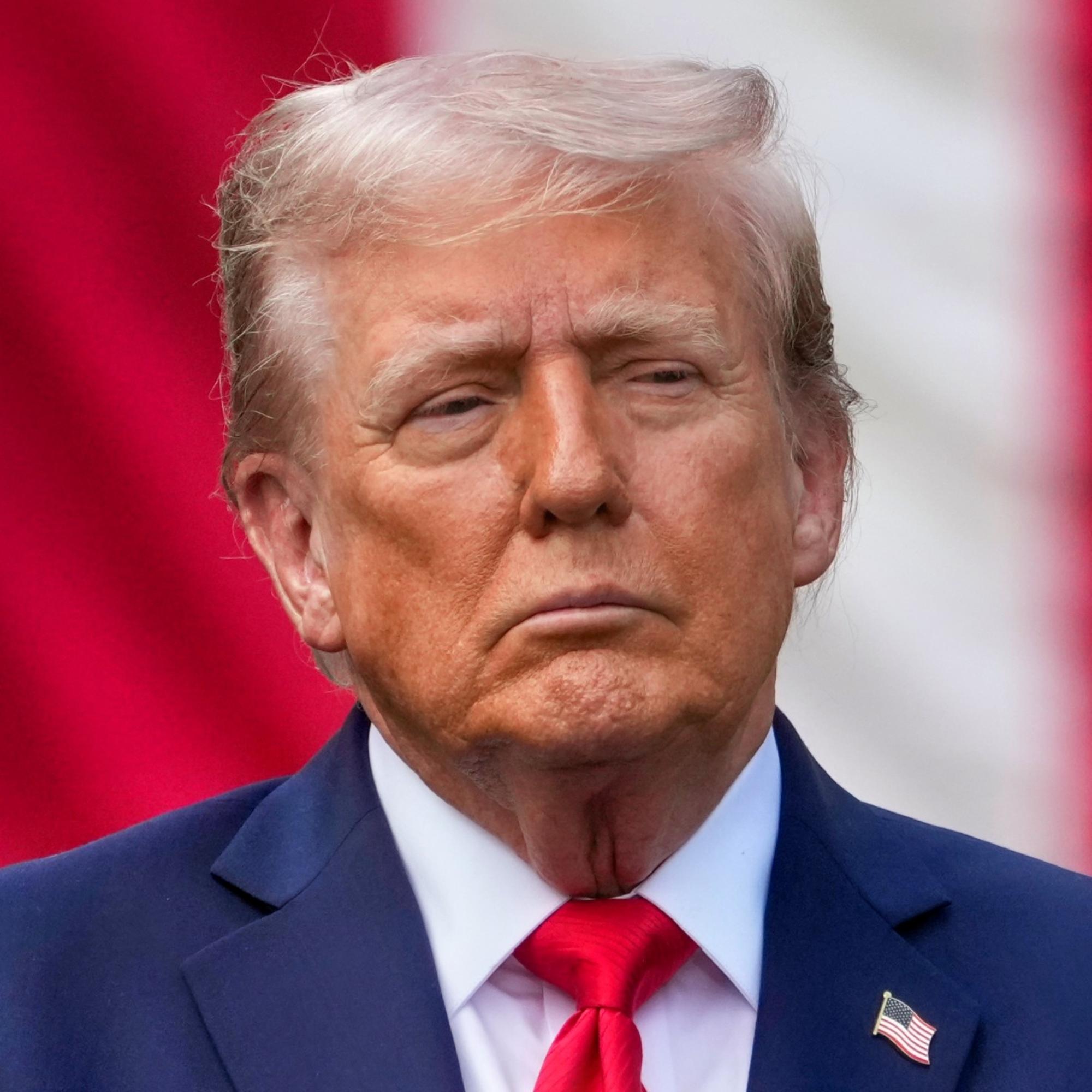
President Trump, who confirmed Kirk’s death on Truth Social, described the activist as “loved and admired by ALL” and accused the “radical left” of fueling the hatred that led to his death. In a proclamation issued on September 11, Trump ordered U.S. flags to be flown at half-staff at the White House, public buildings, military posts, and embassies until sunset on September 14, 2025. “Charlie fought for liberty, democracy, justice, and the American people,” Trump said in a pre-recorded message from the Oval Office. He also announced that Kirk would posthumously receive the Presidential Medal of Freedom, a rare honor for a non-government official.
The flag order, while symbolic, has sparked debate due to the U.S. Flag Code’s lack of provisions for lowering flags for private citizens. According to the code, such actions are typically reserved for government officials, military personnel, or first responders, though presidents have the authority to issue proclamations altering these guidelines. Governors, including Oklahoma’s Kevin Stitt, have followed suit, ordering state flags to half-staff in Kirk’s honor.
The assassination has intensified partisan tensions, with some conservatives framing it as evidence of escalating left-wing violence. Rubio and Landau’s statements have fueled this narrative, with Landau’s call for the public to report foreigners seen as glorifying Kirk’s death drawing particular scrutiny. Critics, including Democratic Senator Jeff Merkley, argue that targeting individuals based on their speech undermines due process and First Amendment principles.
Broader Context of Political Violence
Kirk’s killing is part of a troubling rise in political violence across the United States. In June 2025, a 57-year-old man was arrested for assassinating a Democratic state lawmaker, with a hit list targeting abortion providers. In 2022, an intruder attacked the husband of then-House Speaker Nancy Pelosi, prompting mockery from some Republican figures, including Donald Trump Jr. These incidents highlight the bipartisan nature of political violence, despite narratives seeking to pin blame on one side.
Rubio’s visa ban policy also reflects the Trump administration’s ongoing efforts to restrict immigration and monitor social media activity. Earlier this year, Rubio announced the revocation of thousands of visas, including those of students involved in pro-Palestinian protests, citing national security concerns. High-profile cases, such as the detention of Tufts University student Rumeysa Ozturk, have drawn international attention and legal challenges, with federal judges occasionally halting deportation efforts.
Implications and Criticism
The new visa policy has raised concerns about its implementation and potential for abuse. The State Department has not clarified how it will define “glorifying violence” or what mechanisms will ensure fair application of the ban. Civil liberties advocates warn that vague criteria could lead to arbitrary visa revocations, particularly for students and other noncitizens with limited legal recourse. The policy’s reliance on public reporting via social media platforms like X further complicates its enforcement, raising questions about misinformation and targeted harassment.
Internationally, the move could strain diplomatic relations, particularly with countries whose citizens are affected. Rubio’s earlier visa restrictions targeting foreign officials accused of censoring American speech have already drawn criticism from European allies, who view such measures as hypocritical given the administration’s domestic crackdowns.
Conclusion
The assassination of Charlie Kirk has sent ripples through American politics, prompting a swift and polarizing response from the Trump administration. Secretary Rubio’s visa ban and President Trump’s flag order underscore the administration’s commitment to honoring Kirk’s legacy while advancing its hardline immigration and free speech agendas. However, these actions risk escalating tensions and raising constitutional questions, as the nation grapples with the broader implications of political violence and free expression. As the FBI continues its search for Kirk’s killer, the debate over these policies is likely to intensify, with far-reaching consequences for both domestic and international audiences.
Sources: The Independent, Newsweek, The White House, USA Today, Fox News