The NFL world was rocked on December 30, 2025, when reports emerged that New England Patriots star wide receiver Stefon Diggs is facing serious criminal charges stemming from an alleged incident earlier in the month.
The 32-year-old Pro Bowl veteran has been charged with felony strangulation or suffocation and misdemeanor assault and battery following a dispute with his former personal chef at his home in Dedham, Massachusetts.
According to police reports released after a court hearing, the accuser claims the confrontation escalated over a paycheck issue, leading to Diggs allegedly slapping her and choking her until she had difficulty breathing.
The woman reportedly quit her position shortly after and initially hesitated to press charges before deciding to do so later in December.
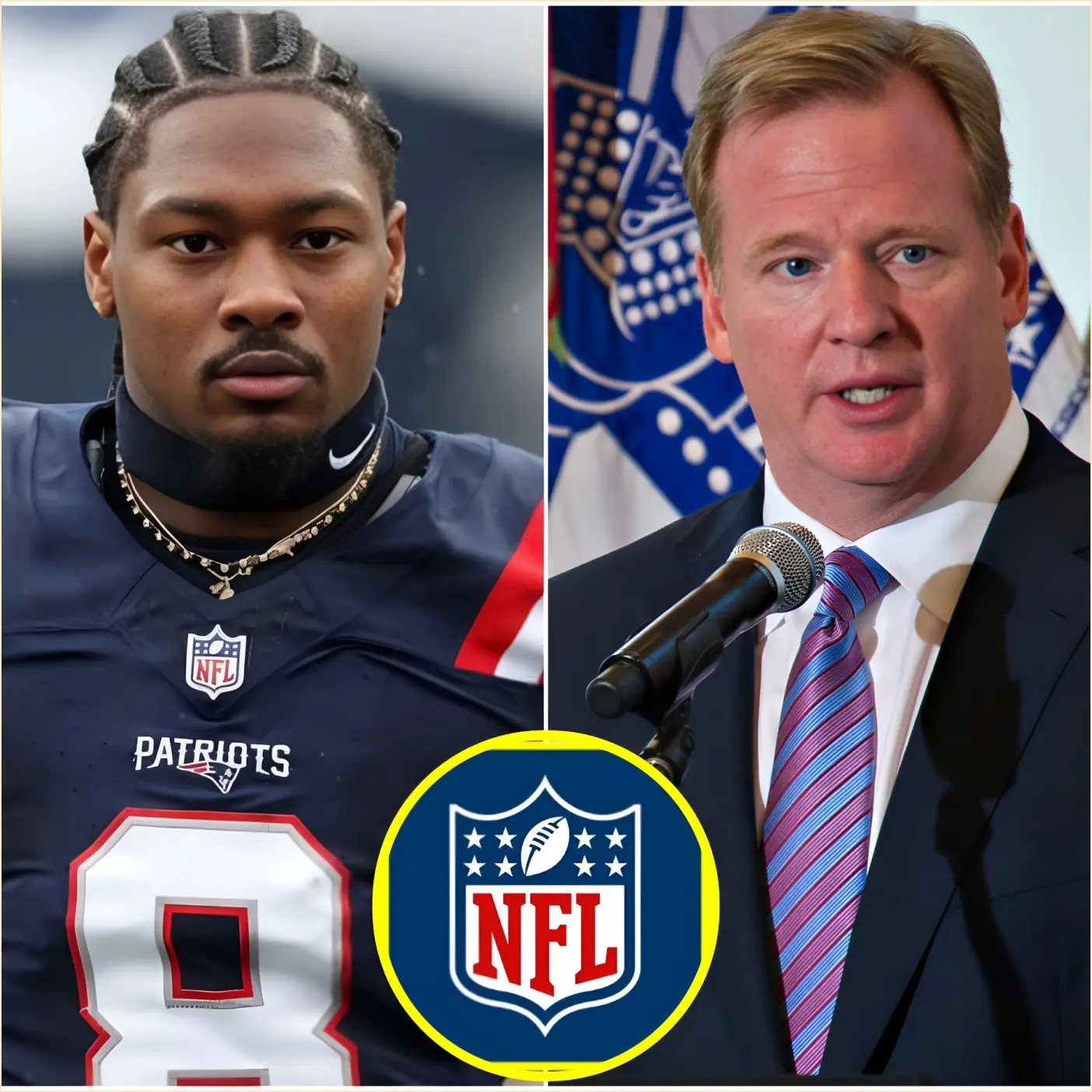
Diggs has vehemently denied the allegations through his attorney, David Meier, who stated that the claims are “unsubstantiated, uncorroborated, and were never investigated — because they did not occur.” Meier further described the accusations as stemming from an unresolved employer-employee financial dispute, emphasizing that Diggs looks forward to clearing his name in court.
The defense team is reportedly working toward a monetary resolution, and a judge is considering postponing Diggs’ arraignment from January 23 — just days before a potential AFC Championship Game — to March.

The New England Patriots quickly issued a statement expressing awareness of the situation and full support for their star receiver. “Stefon has informed the organization that he categorically denies the allegations.
We support Stefon,” the team said, adding that they will cooperate with authorities and the NFL while gathering more information. The NFL itself released a brief response: “We are aware of the matter and have been in contact with the club.
We have no further comment at this time.” As of now, there is no indication that Diggs will be placed on the Commissioner’s Exempt List — effectively paid leave — which the league can invoke for felony charges or crimes of violence under its Personal Conduct Policy.

This development comes at a precarious moment for the Patriots, who have clinched the AFC East with a 13-3 record and are poised for a deep playoff run in what has been a resurgent season under quarterback Drake Maye.
Diggs, signed to a multi-year deal in the offseason after recovering from an ACL injury sustained with the Houston Texans, has been a key contributor, leading the team with 82 receptions for 970 yards and four touchdowns.
He’s on the verge of his seventh 1,000-yard season and has formed a dynamic connection with Maye, providing veteran stability to a young offense.
The timing of the charges has sparked intense debate about potential NFL discipline and its impact on the postseason. Under the league’s Personal Conduct Policy, players formally charged with a felony or a crime involving violence can be placed on paid leave pending investigation.
Precedents exist, such as former Patriots safety Jabrill Peppers being placed on the exempt list in 2024 for domestic violence allegations before being cleared. However, experts note the NFL often waits for legal proceedings to conclude before issuing unpaid suspensions, as seen in cases like Rashee Rice’s delayed punishment.
With the playoffs starting soon, many analysts believe any significant discipline for Diggs — if warranted — would likely come in 2026, allowing him to play through the postseason.
Advocacy groups have weighed in, calling for consistent and transparent enforcement of the policy regardless of playoff implications. A spokesperson for a national anti-violence organization emphasized that such cases test the NFL’s commitment to accountability, stating that it must not waver based on a player’s status or team success.
The league has long faced scrutiny over its handling of off-field incidents involving violence against women, with the Personal Conduct Policy strengthened in 2014 to include baseline six-game suspensions for first offenses, though enforcement has been criticized as inconsistent.
Public reaction has been swift and divided. Social media platforms buzzed with shock, disappointment, and calls for due process. Patriots fans expressed concern over the distraction during a promising playoff push, while others defended Diggs based on his denial and the disputed nature of the claims.
Broader discussions have reignited about athlete accountability, with some pointing to the NFL’s history of navigating high-profile cases during critical seasons.
For Diggs, a four-time Pro Bowler who has reinvented his career multiple times — from Minnesota to Buffalo to Houston and now New England — this represents the most serious off-field challenge yet.
His on-field resurgence had positioned him as a leader in the locker room and a mentor to younger players. The Patriots, meanwhile, prepare for their regular-season finale against the Miami Dolphins, with a win potentially securing a first-round bye.
As the legal process unfolds, the NFL continues its review. The league’s decision — whether to act swiftly with paid leave or defer until after criminal resolution — could significantly influence New England’s Super Bowl aspirations.
In a season full of surprises for the Patriots, this off-field saga adds an unwelcome layer of uncertainty, testing the organization’s resolve and the broader league’s protocols on player conduct.
The story remains developing, with court documents partially released (redacted for privacy) and ongoing investigations. Diggs’ camp maintains confidence in a favorable outcome, tied to what they describe as a financial disagreement rather than criminal intent.
Whatever the resolution, the incident underscores the ongoing challenges professional sports leagues face in addressing allegations of violence, balancing justice, competitive integrity, and public trust.