Can Trump’s Immigration Policies Really Fix the Economy and Lower the Cost of Living?
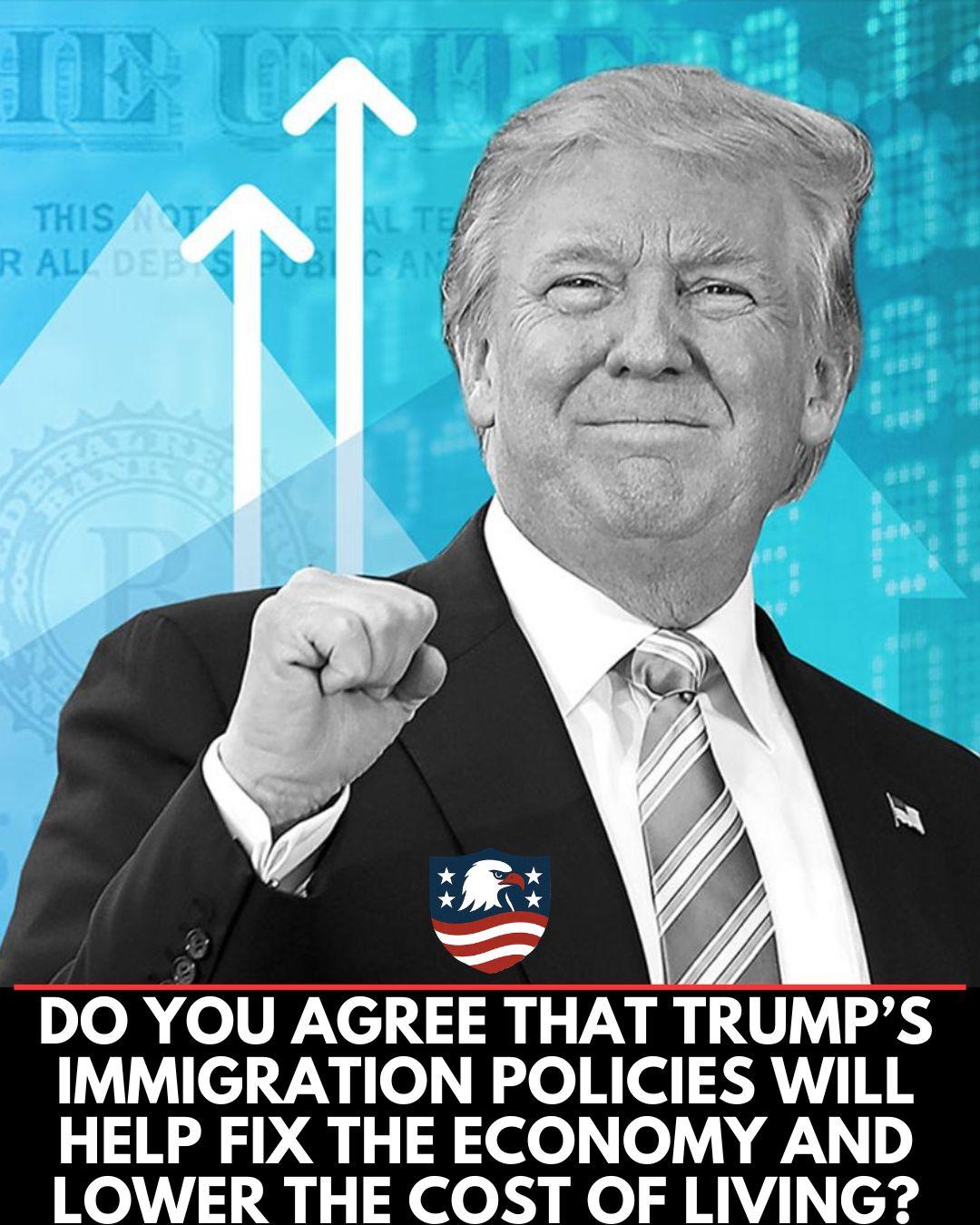
Washington, D.C. – Few political topics spark as much debate in the United States as immigration. With Donald Trump returning to the center of political discourse, his hardline immigration policies are once again under scrutiny. Supporters argue that tighter border control and stricter immigration laws will strengthen the economy and ease the financial strain on American families. Critics, however, warn that such measures may create unintended consequences and fail to address the root causes of rising living costs.
Supporters Say Strong Borders Protect Jobs
Trump’s backers believe his policies could significantly improve economic conditions. Their argument is straightforward: by reducing illegal immigration, more jobs will be available for American citizens. They also contend that limiting the flow of undocumented workers will help raise wages, particularly for low-skilled jobs where competition is most intense.
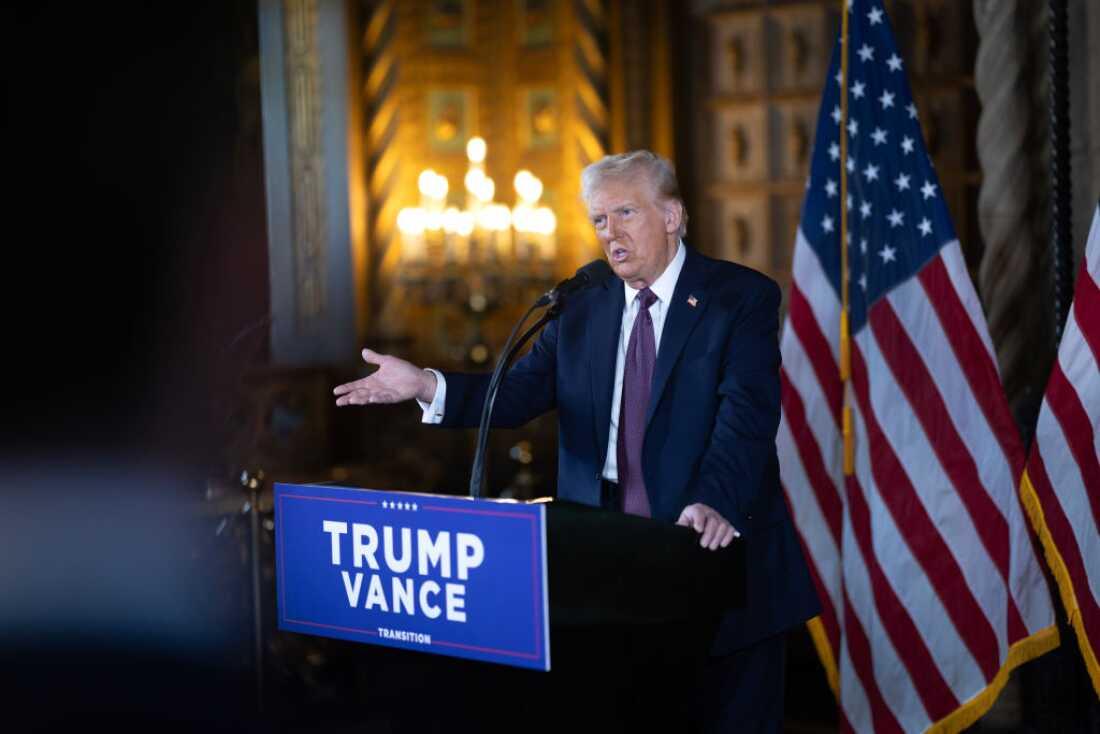
Additionally, supporters claim that reducing the number of immigrants who rely on public services could lower the burden on taxpayers. For them, Trump’s approach is about putting American workers and families first.
Critics Warn of Economic Risks
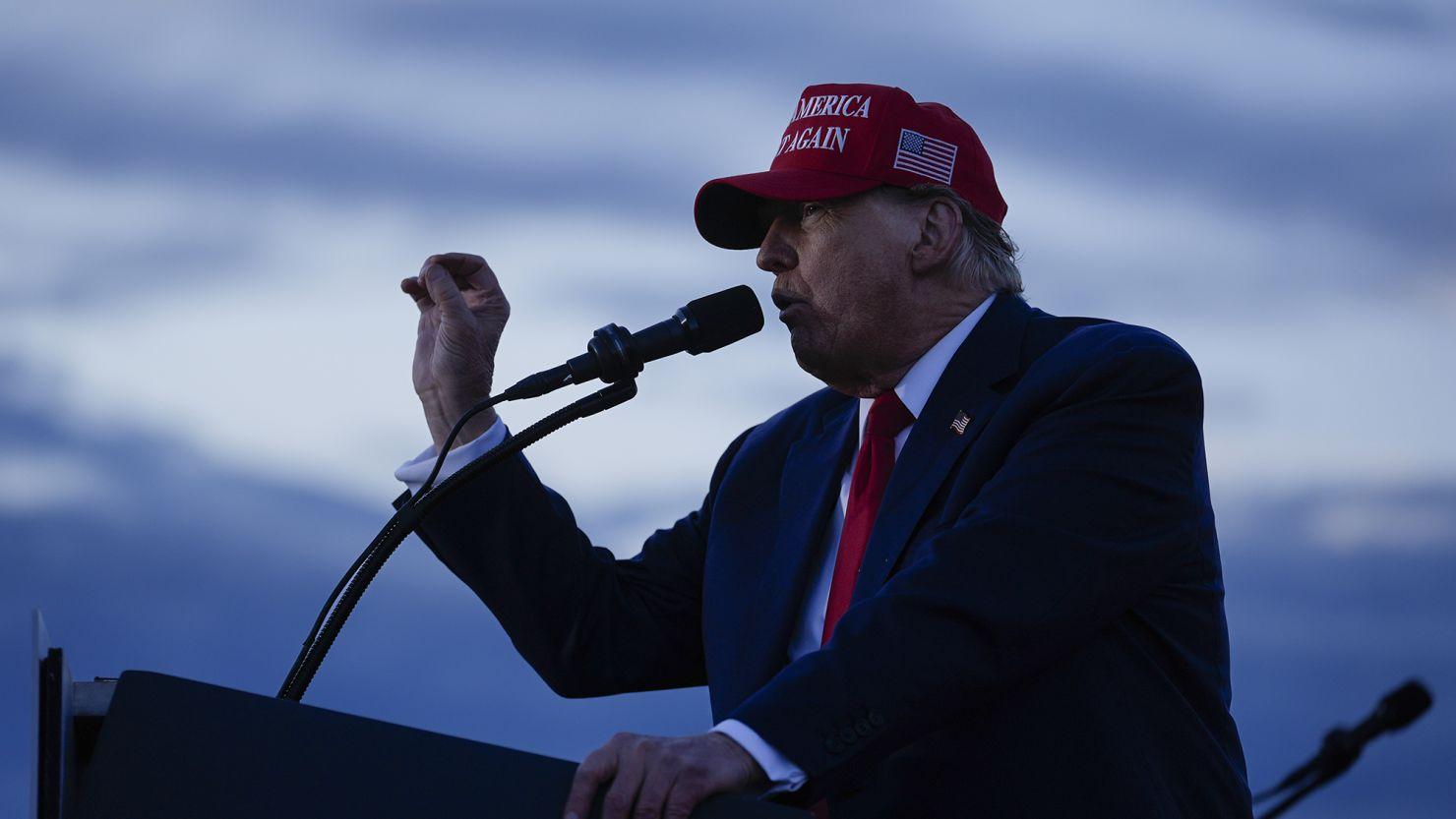
Opponents strongly disagree, arguing that immigration plays a crucial role in the U.S. economy. Many industries, including agriculture, construction, and hospitality, rely heavily on immigrant labor. Stricter policies could create labor shortages, driving up production costs and, ironically, raising prices for consumers.
Critics also highlight that immigrants contribute significantly in taxes, entrepreneurship, and innovation. Removing or restricting this group, they argue, risks slowing economic growth rather than accelerating it. For them, the idea that tighter immigration laws alone could fix inflation or high living costs is overly simplistic.
The Cost of Living Crisis
At the heart of the debate lies the everyday reality for American families: the rising cost of food, housing, healthcare, and transportation. Supporters of Trump’s agenda believe fewer immigrants will reduce demand for housing and jobs, ultimately making life more affordable.
But economists caution that inflation and cost-of-living pressures are influenced by a wide range of global and domestic factors, from energy prices to supply chain issues. Immigration policy, while important, is just one piece of a much larger puzzle.
Political and Social Impact
Beyond economics, Trump’s immigration stance continues to shape the cultural and political landscape. His policies resonate with voters who feel left behind and fear that unchecked immigration threatens national security, identity, and community resources.
However, opponents argue that these policies risk dividing communities and fostering hostility toward immigrants, many of whom are law-abiding contributors to society. The emotional and political weight of the debate ensures it will remain a central issue leading into future elections.
Expert Opinions
Economists remain divided. Some agree that reducing undocumented immigration could stabilize certain job markets and ease wage pressures. Others point out that immigrants often take jobs that Americans are unwilling to fill, and removing them would harm economic output rather than help it.
Policy analysts stress the need for balance. Rather than focusing solely on enforcement, they suggest reforms that combine secure borders with expanded legal pathways for workers who are vital to the economy.
Conclusion: A Debate Far From Over
Donald Trump’s immigration policies raise one of the most pressing questions in American politics today: can stricter borders truly fix the economy and lower the cost of living? The answer depends largely on perspective. Supporters see a path to protecting jobs and reducing taxpayer burdens, while critics warn of labor shortages, higher prices, and long-term economic damage.
What is certain is that the debate will not end anytime soon. As families continue to struggle with rising costs, immigration will remain at the center of the national conversation—both as a political weapon and as a genuine question about America’s future.