Mike Tyson, the legendary “Iron Mike,” remains an enduring figure in the boxing world, known as much for his explosive in-ring performances as for his outspoken personality. Recently, Tyson has stirred the pot with controversial statements about the current state of boxing athletes, igniting debates among fans, analysts, and fighters alike. His remarks, delivered with his characteristic intensity, have cast a critical eye on the modern generation of boxers, questioning their dedication, mentality, and the sport’s evolution in an era dominated by spectacle and commercialization.
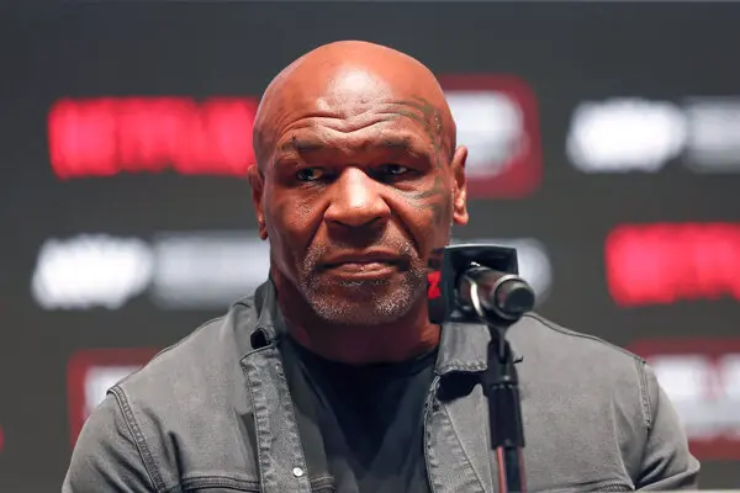
Tyson, who became the youngest heavyweight champion in history at age 20, has never shied away from speaking his mind. In a recent interview, he expressed frustration with what he perceives as a lack of grit among today’s boxers. He argued that many modern athletes prioritize fame and financial gain over the relentless discipline that defined his era. “These kids want the spotlight, but they don’t want the grind,” Tyson remarked, pointing to the influence of social media and the allure of crossover bouts, like those involving influencers such as Jake Paul. His own recent exhibition fight against Paul, which drew massive viewership, serves as a case study for his critique of boxing’s shift toward entertainment over pure competition.
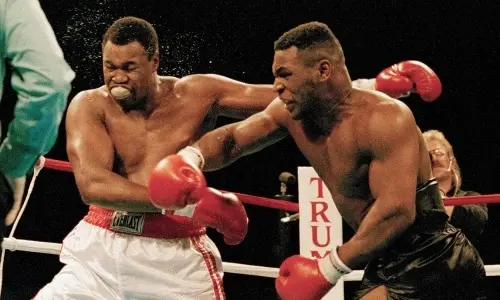
The former champion also took aim at the training regimens of current boxers, suggesting that many lack the mental toughness required to endure the sport’s grueling demands. Tyson reminisced about his time under trainer Cus D’Amato, whose rigorous methods shaped him into a knockout machine. He contrasted this with what he sees as a softer approach today, where fighters may rely more on athleticism than the psychological warfare that once defined boxing’s elite. His comments have sparked backlash from some active fighters, who argue that the sport has evolved, requiring new skills to navigate a globalized, media-driven landscape.
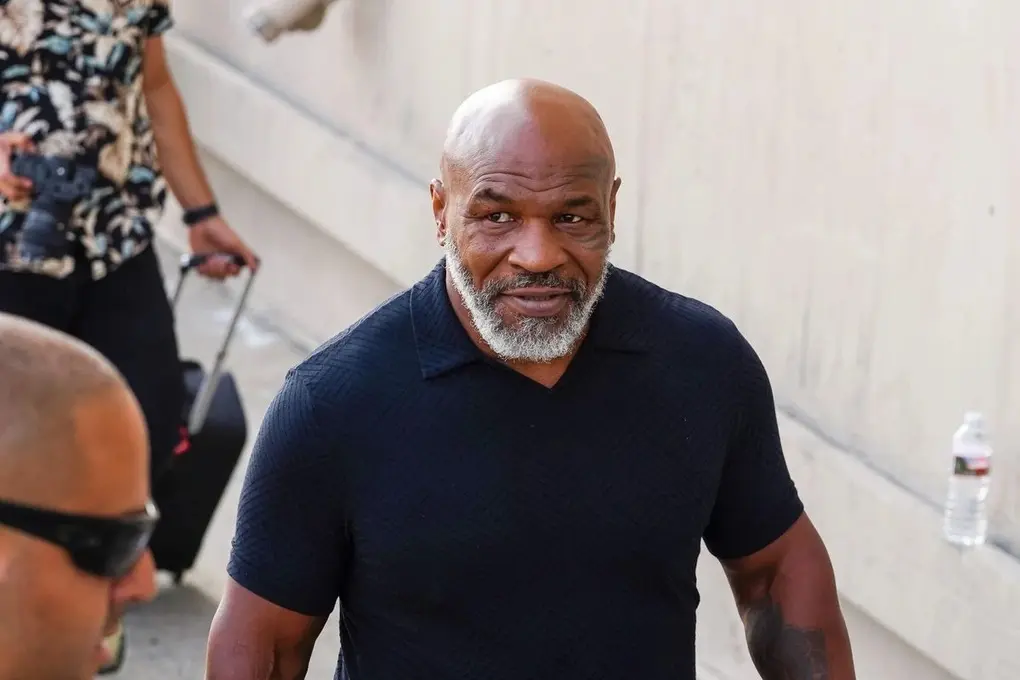
Tyson’s statements are not without irony, given his own history of controversial moments, from biting Evander Holyfield’s ear in 1997 to his tumultuous personal life. Critics argue that his critique overlooks the achievements of modern stars like Canelo Alvarez or Terence Crawford, who have shown remarkable skill and resilience. Yet, Tyson’s defenders point out that his perspective stems from a unique vantage point as a cultural icon who transcended the sport. His remarks also touch on the physical toll of boxing, referencing his own injury history and the health risks modern fighters face in high-profile bouts.
The boxing community remains divided over Tyson’s words. Some see them as a wake-up call, urging a return to the sport’s roots, while others view them as the musings of a man out of touch with today’s realities. Regardless, Tyson’s ability to provoke thought and stir emotion ensures his voice still carries weight. As he prepares for his 2026 exhibition against Floyd Mayweather Jr., the world watches to see if “Iron Mike” will back up his words with action, proving that his passion for boxing burns as fiercely as ever.