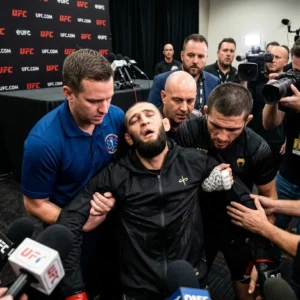
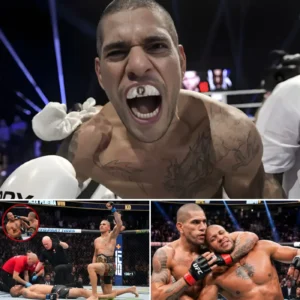
The boxing world was left stunned as Riku Masuda defeated legendary Nonito Donaire Jr. by technical knockout in round eight at Yokohama Buntai, marking a dramatic and controversial turning point.
From the opening bell, Masuda displayed confidence and aggression, stepping forward with sharp combinations while Donaire relied on experience and timing, attempting to control the pace against a younger opponent eager to prove himself on a global stage.
As the early rounds unfolded, it became evident that Masuda’s speed and activity were creating problems, forcing Donaire into a more defensive posture than usual, with fewer opportunities to execute his trademark counters effectively.
Despite moments of brilliance from Donaire, including well-timed right hands, the overall momentum appeared to favor Masuda, whose relentless pressure and consistent output began to wear down the veteran as the fight progressed.
By the middle rounds, the physical contrast became more pronounced, with Masuda maintaining a high tempo while Donaire showed subtle signs of fatigue, his movement slightly slower and his reactions just enough delayed to be noticeable.
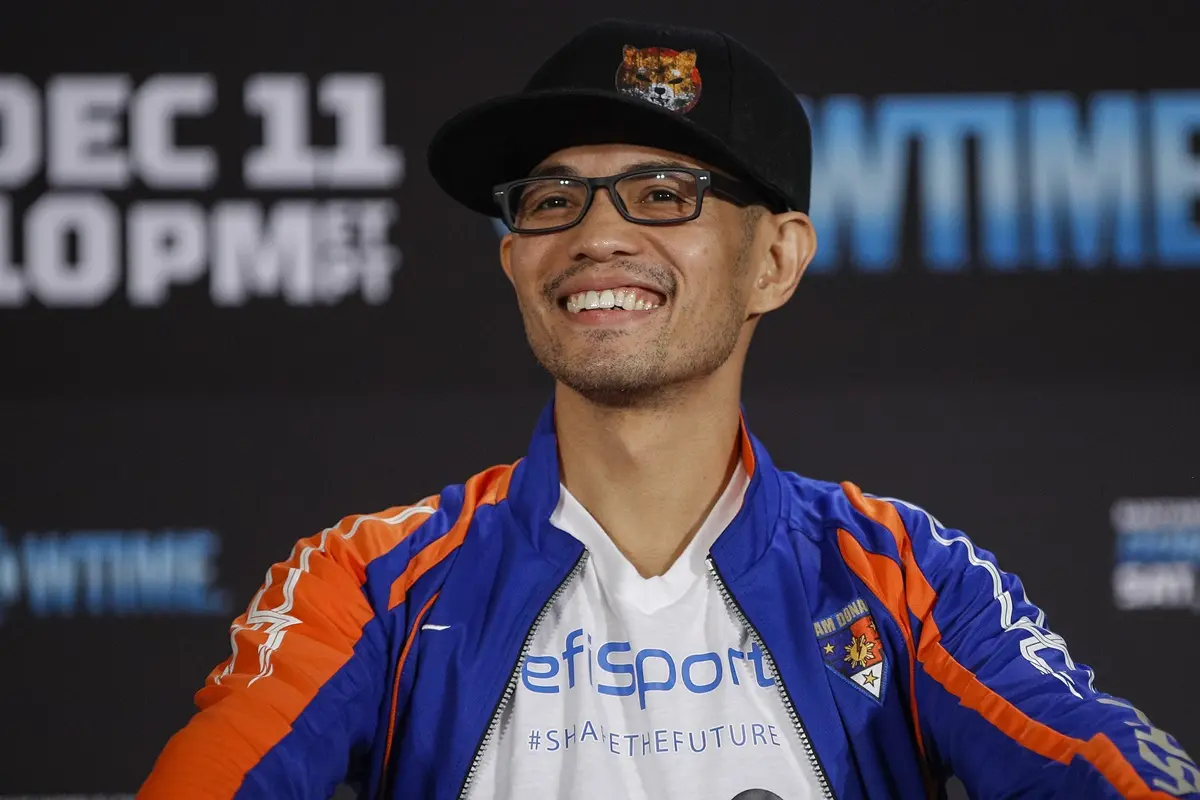
Round seven delivered the first truly shocking moment, as Masuda landed a powerful sequence that visibly stunned Donaire, sending a wave of concern through the crowd as the veteran struggled to regain balance and composure.
The knockdown in that round changed the entire dynamic of the fight, shifting control firmly into Masuda’s hands while raising immediate questions about whether Donaire could safely continue under such intense pressure.
Although Donaire rose and attempted to fight back, his posture and responsiveness indicated that he was no longer operating at full capacity, prompting growing concern from both spectators and ringside officials.
Entering round eight, Masuda wasted no time capitalizing on his advantage, launching a sustained offensive that left Donaire absorbing repeated blows, unable to mount a meaningful counterattack or regain control of the exchange.
At that critical moment, Donaire’s corner made the difficult but necessary decision to stop the fight, throwing in the towel to protect their fighter from further damage in a situation that had clearly become one-sided.
The official result—a TKO victory for Masuda—was met with a mixture of shock and admiration, as fans processed both the rise of a promising contender and the apparent decline of a beloved boxing legend.

For Masuda, the win elevated his professional record to 10–1, a milestone that signals his emergence as a serious force in the division and a fighter capable of challenging established names on the world stage.
In contrast, Donaire’s record fell to 43–10, a statistic that, while still reflective of an extraordinary career, has become a focal point for discussions about his future in the sport at this stage.
The aftermath quickly turned into a heated debate, with fans and analysts questioning whether the fight should have been sanctioned, given the age difference and the physical demands placed on the veteran fighter.
Some critics argued that the bout represented an unnecessary risk, suggesting that Donaire may have been pushed into a contest that exposed him to dangers beyond what was reasonable for a fighter of his experience and age.
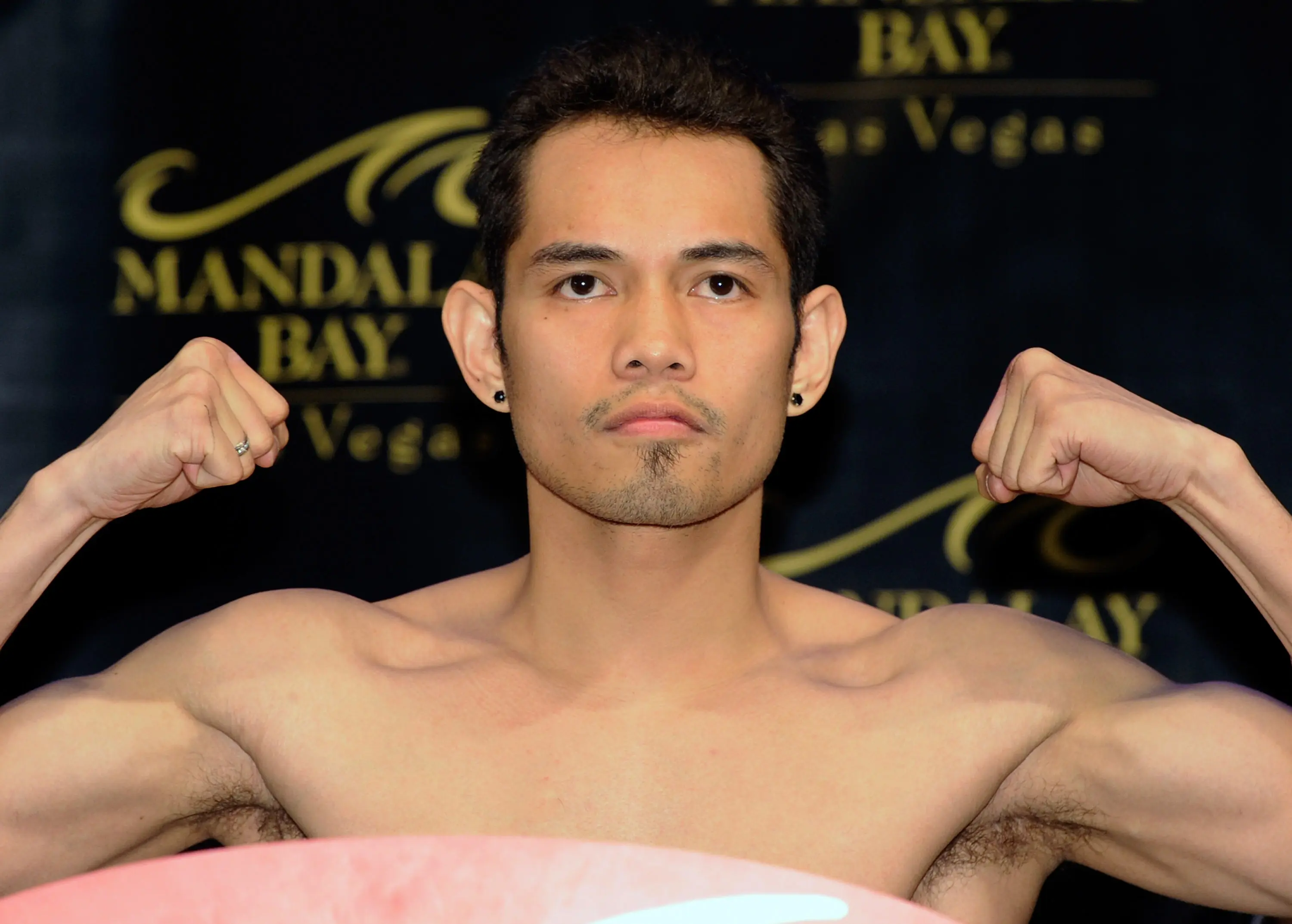
Others defended Donaire’s decision to compete, emphasizing his autonomy and legacy, and arguing that seasoned champions have the right to determine when and how they step away from the sport.
Replays of the fight circulated widely, with each moment analyzed in detail, particularly the sequence in round seven that appeared to mark the beginning of the end for Donaire in this contest.
Medical experts and former fighters weighed in, discussing the visible signs of vulnerability and the importance of timely intervention, with many agreeing that the corner’s decision to stop the fight was ultimately the correct one.
Masuda, speaking after the victory, expressed respect for Donaire, acknowledging the significance of sharing the ring with a fighter he had long admired and recognizing the emotional weight of the outcome.
The crowd’s reaction reflected this duality, as applause for Masuda’s performance was accompanied by a somber recognition of what the result might signify for Donaire’s career moving forward.

Across social media, reactions ranged from celebration of Masuda’s breakthrough to heartfelt messages of support for Donaire, highlighting the emotional connection fans have developed with the veteran over the years.
The bout has also sparked broader conversations about the lifecycle of a boxing career, particularly the challenges athletes face when balancing competitive desire with the realities of physical decline.
Promoters and governing bodies have come under scrutiny, with questions raised about matchmaking decisions and the responsibility to ensure fighter safety in high-stakes bouts that draw global attention.
For younger fighters like Masuda, the victory represents opportunity, opening doors to bigger fights and greater recognition, but also placing increased expectations on his future performances.
Meanwhile, Donaire’s next steps remain uncertain, as fans and experts alike await any indication of whether he will continue competing or consider retirement after such a demanding and revealing contest.
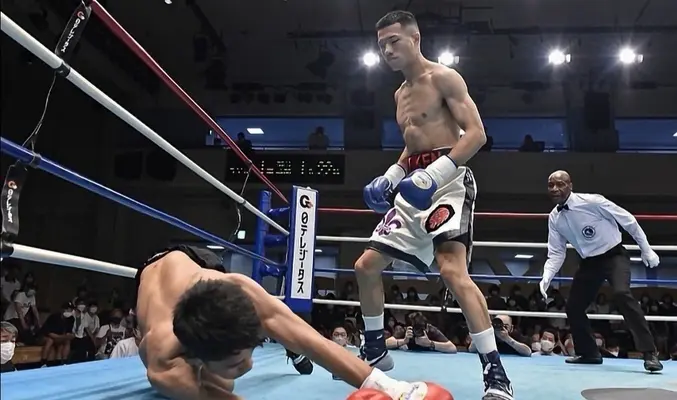
The emotional impact of the fight extends beyond statistics, capturing a moment where one career rises while another faces a crossroads, a narrative that has long defined the sport of boxing.
As discussions continue, the image of Donaire in those final rounds remains etched in memory, serving as a powerful reminder of both the courage required to compete and the risks inherent in the sport.
In the end, Masuda’s victory at Yokohama Buntai will be remembered not only for its significance but also for the questions it raised, ensuring that its impact will resonate throughout the boxing world for years to come.