An independent public inquiry into grooming gangs across the United Kingdom officially began this week, with a strong emphasis on delivering concrete results rather than symbolic gestures. The hearings, expected to last two weeks, will gather evidence, hear testimony from victims and experts, and closely examine the activities of organised grooming gangs that have operated in towns and cities throughout the country for years.
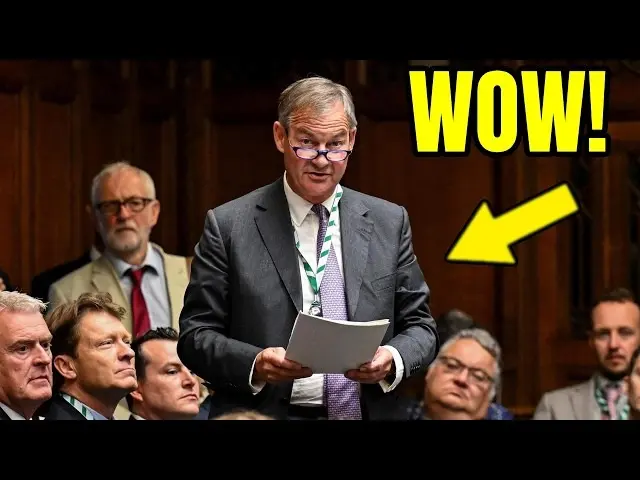
Led by Mr Lowe, the inquiry focuses heavily on what he describes as the repeated and systemic failures of public authorities — including police forces, local councils, and social services — to act on clear warnings about the abuse of vulnerable young girls. These failures, according to Mr Lowe, allowed grooming gangs to continue their crimes over extended periods despite numerous red flags being raised by concerned citizens, teachers, and even some frontline workers.
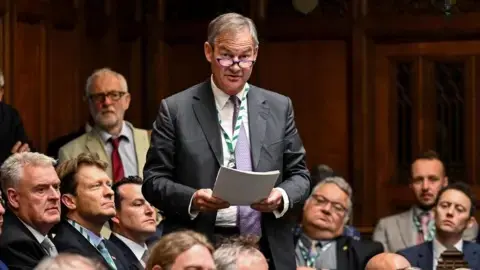
At the opening session, Mr Lowe made his intentions clear. “This inquiry is about action,” he stated firmly. “We have gathered evidence, we will listen carefully over the coming two weeks, and we will then act.” He stressed that the process is not designed merely to discuss problems but to produce tangible outcomes that lead to real change.
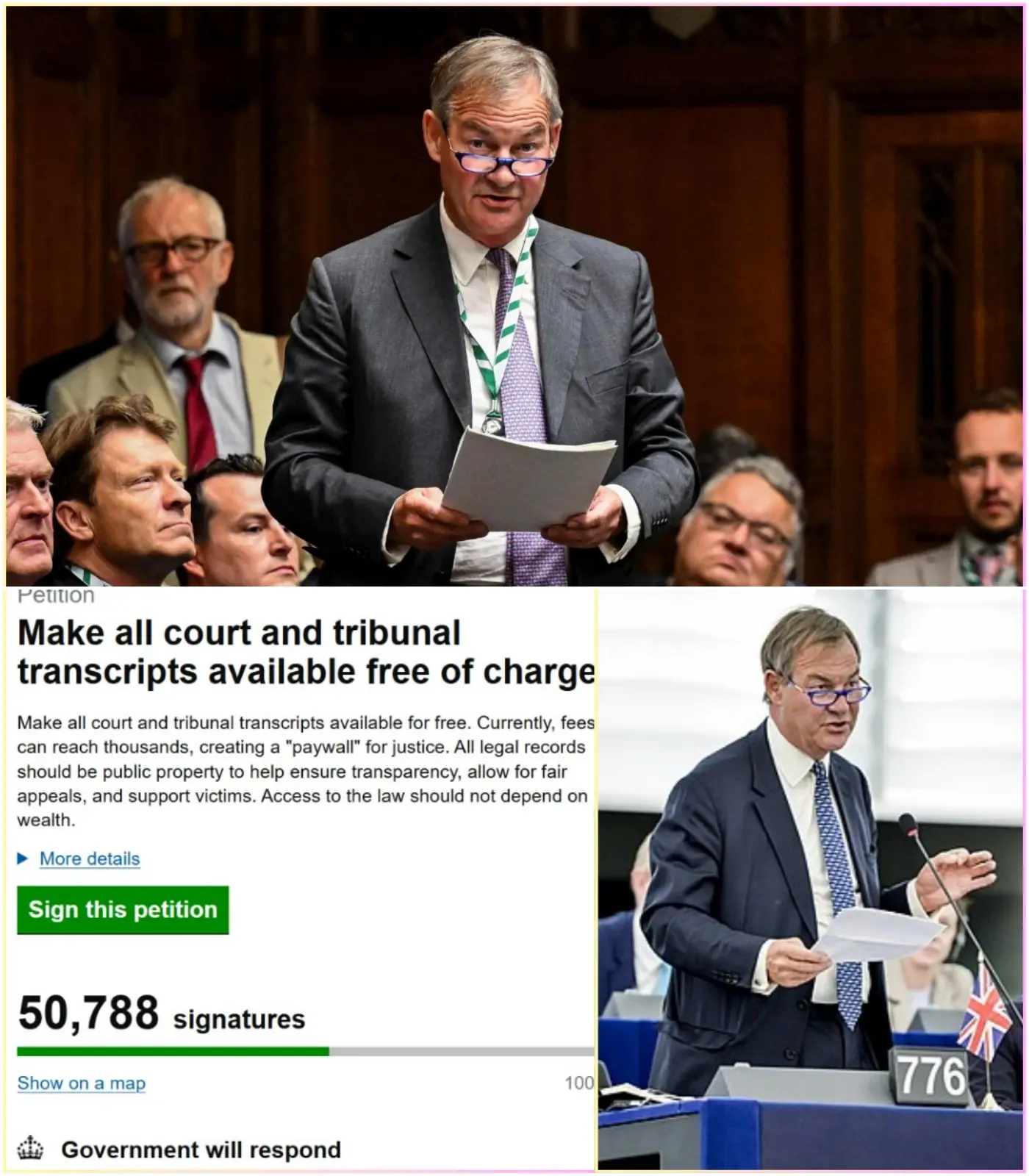
A central goal of the inquiry is to secure justice for the victims and their families. This includes exploring all available legal avenues, such as the possibility of private prosecutions where public authorities have failed to act. Mr Lowe spoke passionately about the need to deliver justice on multiple levels: “Justice for the girls who were abused. Justice for the families who were ignored. And justice for a country that was repeatedly misled about what was happening in its towns and cities.”
In addition to the formal hearings, Mr Lowe has launched a parallel public campaign urging supporters to sign and widely share a parliamentary petition. The petition calls for all court and tribunal transcripts to be made available to the public free of charge. Lowe argues that greater transparency in the justice system is essential to fully understand the scale of grooming gang crimes and to hold institutions accountable for past mistakes.
The petition is gaining significant traction online and is being presented as a practical way for ordinary citizens to support victims and contribute to greater openness in the legal system.
The timing of this independent inquiry is notable. It began before Prime Minister Sir Keir Starmer announced a separate, government-led national inquiry into grooming gangs. That official inquiry, chaired by Baroness Anne Longfield, the former Children’s Commissioner for England, is expected to take three years to complete and has been allocated a budget of £65 million. In contrast, Mr Lowe’s inquiry is deliberately independent from government processes. It aims to move more quickly with a sharper focus on accountability, identifying institutional failures, and pursuing legal consequences.
Mr Lowe has positioned his inquiry as a faster, more agile response to a national scandal that has shaken public trust in institutions for well over a decade. Many communities, particularly in northern England, have long felt that authorities turned a blind eye to the systematic grooming and sexual exploitation of young girls, often due to concerns about being labelled racist or damaging community relations. These cultural and political sensitivities, critics argue, prevented timely intervention and allowed thousands of children to suffer.
During the opening remarks, Mr Lowe highlighted the human cost of these institutional failures. Victims, many of whom were from disadvantaged backgrounds, were reportedly dismissed, disbelieved, or even blamed when they tried to report their ordeals. Families who raised concerns said they were ignored or threatened with consequences for speaking out. The inquiry will examine specific cases across different regions to build a clearer national picture of both the crimes and the response failures.
Supporters of the independent inquiry see it as a vital counterweight to what they perceive as slower, more bureaucratic government processes. By operating outside official channels, Mr Lowe’s team hopes to maintain pressure on authorities and ensure that recommendations lead to immediate action rather than gathering dust in lengthy reports.
The call for free public access to court transcripts forms a key part of this transparency drive. Currently, obtaining full records of trials and tribunal proceedings can be expensive and difficult, limiting the ability of journalists, researchers, and the public to scrutinise how grooming cases were handled by the courts. Lowe believes that removing these financial and administrative barriers is crucial for rebuilding trust in the justice system.
As the two-week hearings progress, the inquiry is expected to hear from survivors, whistleblowers, former officials, and experts in child protection. Evidence already collected will be scrutinised in detail, with particular attention paid to patterns of offending, methods used by grooming gangs, and the specific ways in which authorities failed to intervene.
Mr Lowe has made it clear that the ultimate measure of success will not be the production of another report, but real-world outcomes: successful prosecutions, institutional reforms, and meaningful support for victims. He has promised that the findings will be followed by concrete recommendations and, where possible, direct legal action.
The launch of this independent inquiry reflects growing public frustration with the slow pace of official responses to one of the most disturbing scandals in modern British history. While the government’s three-year inquiry proceeds on its own timeline, Mr Lowe’s faster-moving process aims to keep the issue firmly in the spotlight and ensure that victims are not forgotten while broader investigations continue.
As the hearings unfold over the next two weeks, many will be watching closely to see whether this independent effort can deliver the accountability and justice that victims and their families have been demanding for years. The stakes are high, not only for those directly affected but for public confidence in Britain’s institutions as a whole.