A public gathering in the coastal town of Great Yarmouth has drawn significant national interest after footage of a surprisingly large turnout and impassioned speeches began circulating widely online. What began as a seemingly local political initiative has quickly evolved into a broader conversation about grassroots activism, citizen engagement, and the future of political organisation in the United Kingdom.
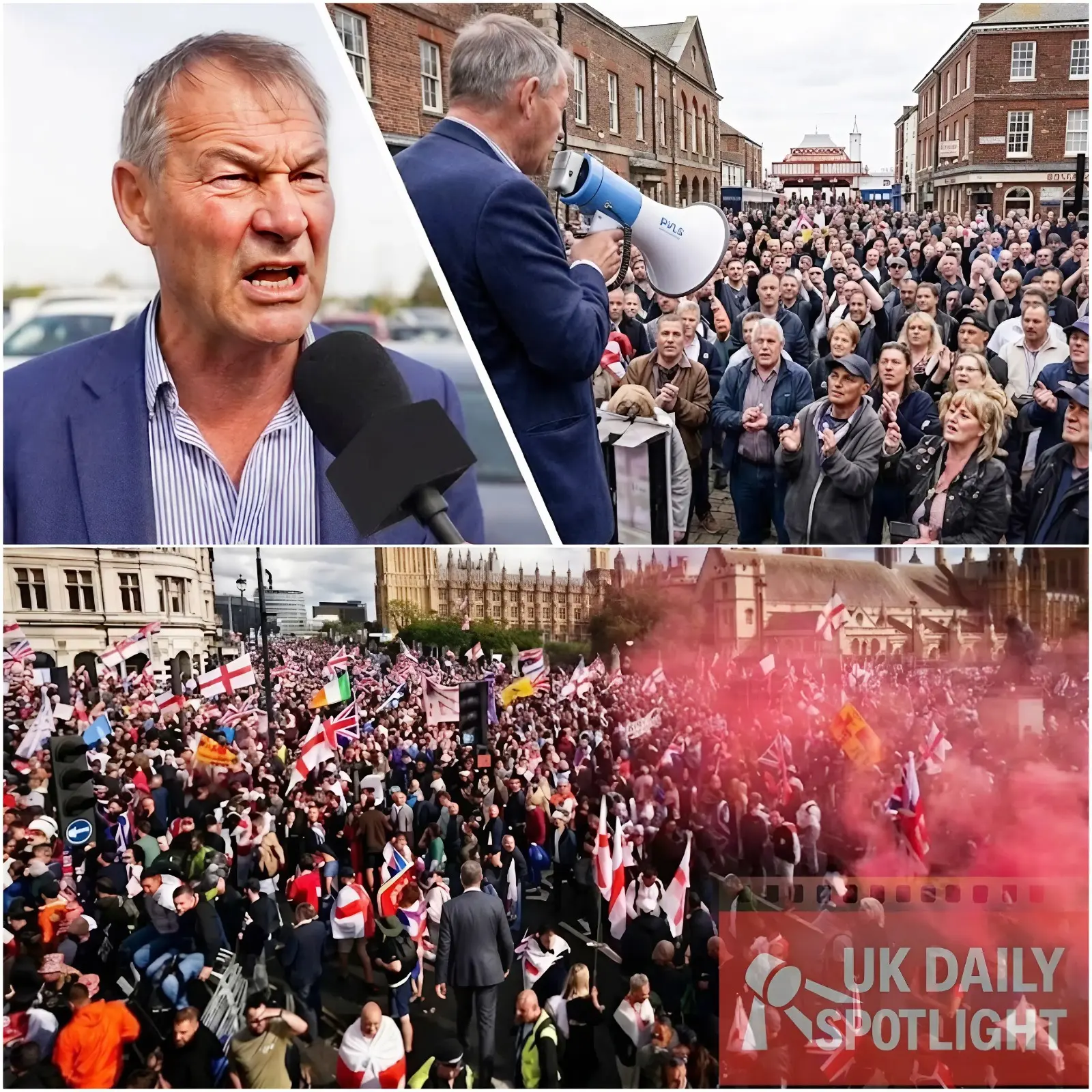
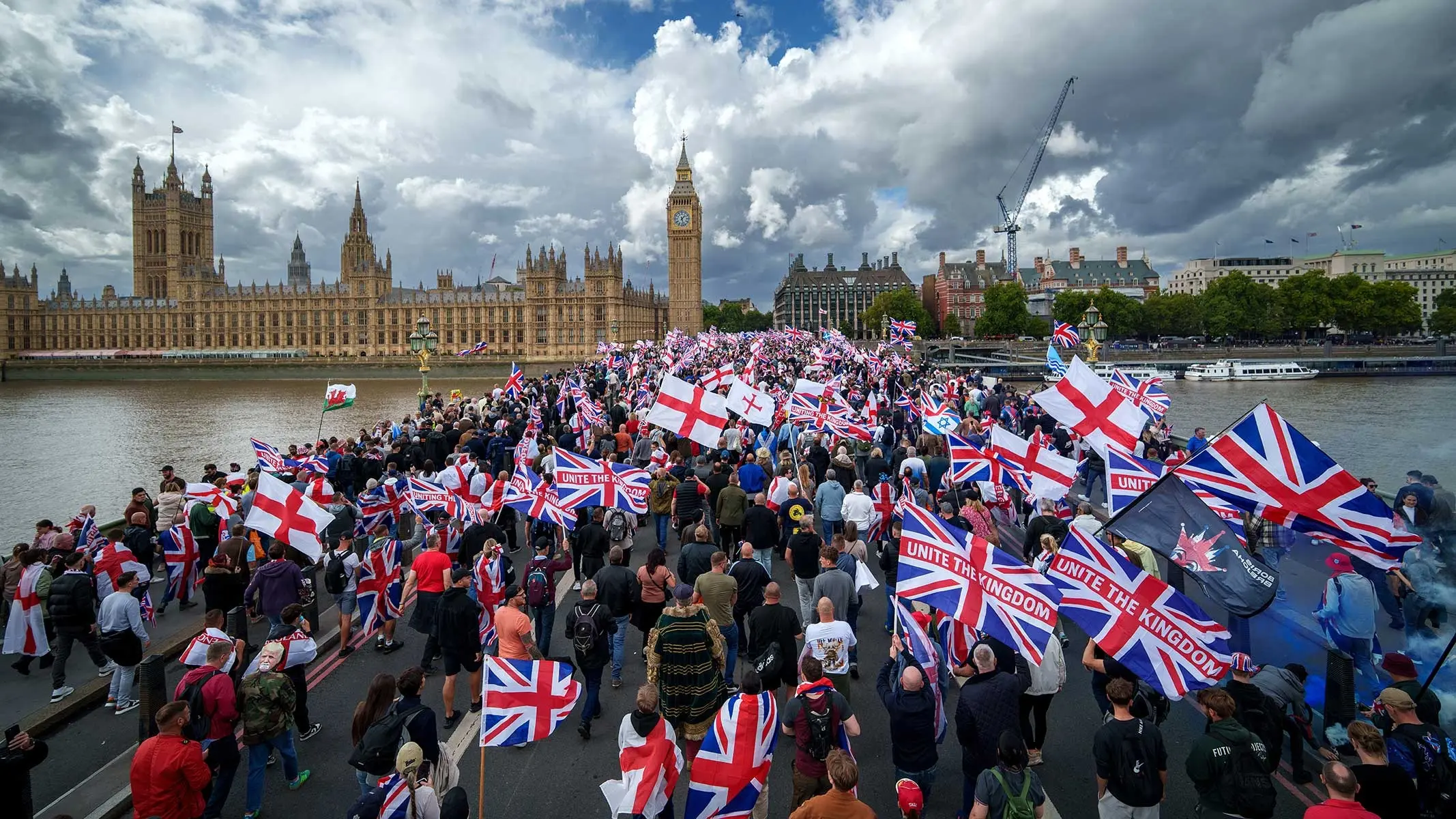
The event, organised under the banner of Great Yarmouth First and linked to Rupert Lowe’s Restore Britain movement, attracted hundreds of attendees – far exceeding initial expectations. Supporters reportedly travelled from distant locations including Aberdeen in Scotland, Sheffield, and Leeds, underscoring a level of regional interest that surprised many observers. Videos shared across social media platforms captured a vibrant crowd filling public spaces, with participants waving flags and engaging enthusiastically with speakers.
For a town often associated with traditional seaside tourism rather than high-profile political rallies, the scale of the gathering has been interpreted by some as a barometer of growing public appetite for alternatives to mainstream party politics.
Rupert Lowe, the independent MP for Great Yarmouth and leader of the emerging Restore Britain initiative, took centre stage during the proceedings. In his address to the assembled crowd, Lowe stressed the critical importance of bottom-up political participation. He argued that genuine change in Britain could not be delivered solely through top-down leadership in Westminster but required consistent, active involvement from ordinary citizens at the community level. This “people power” philosophy formed the cornerstone of his message, positioning local action as an essential complement to national efforts.
Lowe highlighted what he described as widespread voter disengagement and its damaging consequences for the political system. Low turnout in elections, he suggested, had allowed a stagnant establishment to persist, insulated from genuine public pressure. Without sustained civic mobilisation, he warned, structural reforms would remain elusive. The speech repeatedly returned to the theme of “local democracy,” advocating for communities to reclaim greater control over decisions affecting their daily lives. Lowe contrasted this vision with what he characterised as an overly centralised system in London that often proved unresponsive to regional concerns.
He drew parallels with historical models of governance and elements of federal systems elsewhere, framing his approach as a return to more accountable, citizen-led politics.
The gathering did not shy away from more divisive social issues. Lowe addressed long-running scandals involving organised grooming and abuse in various towns across the country. He criticised what he saw as institutional failures and insufficient action by authorities over many years, calling for greater accountability within law enforcement and political structures. These remarks resonated with sections of the audience concerned about public safety and trust in official bodies. Lowe connected these failures to broader patterns of electoral dissatisfaction, implying that unresolved grievances could shape future voting behaviour and political realignments.
Throughout his speech, Lowe blended appeals for national unity with pointed critiques of established political parties. He contended that meaningful reform was unlikely to emerge from traditional partisan rivalry alone. Instead, he championed collective civic action as the driving force for change. The strategy outlined appeared methodical: Great Yarmouth was positioned as a foundational “base” where local support could be built and tested before expanding similar models to other parts of the country. This incremental, proof-of-concept approach aimed to demonstrate viability at the grassroots level prior to pursuing wider national influence.
The atmosphere at the event, as conveyed through the widely shared footage, blended determination with cautious optimism. Attendees expressed enthusiasm for messages centred on national identity, stronger governance, and renewed civic responsibility. References to Britain’s heritage and the need for responsive leadership were interwoven with practical calls for ongoing engagement. While the immediate crowd appeared energised, online reactions have proven more polarised. Supporters hailed the gathering as evidence of a shifting political mood and a rejection of distant elites, while sceptics questioned whether such events could translate into sustained electoral success beyond a single constituency.
Media coverage of the rally has further highlighted these divisions. Some outlets and commentators have portrayed the gathering as a sign of deepening public frustration with conventional politics, particularly in post-industrial and coastal communities like Great Yarmouth. Others have adopted a more cautious tone, pointing out that isolated rallies do not automatically signal a national transformation. The absence of concrete policy announcements or immediate legislative impact has left analysts debating the long-term significance of the initiative.
Lowe’s efforts come against the backdrop of his departure from Reform UK and the formal launch of Restore Britain as a broader political vehicle. His focus on local issues in Great Yarmouth – ranging from economic regeneration to community safety – appears designed to build a loyal base before scaling up. Recent local election results in the area, where candidates aligned with Great Yarmouth First performed strongly, have added momentum to these ambitions. The campaign has emphasised practical community involvement, including canvassing and direct dialogue with residents, rather than relying solely on national media cycles.
Critics, including voices from mainstream parties, have dismissed the movement as populist or overly focused on cultural concerns at the expense of broader economic debates. Some have raised questions about the rhetoric employed, particularly around immigration and institutional accountability. Lowe and his supporters counter that addressing uncomfortable truths is essential for restoring public trust. They argue that ignoring widespread concerns only fuels further alienation from politics.
As footage from the Great Yarmouth event continues to circulate, it has sparked wider discussions about the health of British democracy. Voter apathy, centralised decision-making, and perceived failures in areas such as safeguarding have emerged as recurring themes. Lowe’s call for renewed localism taps into a longstanding debate about devolution and community empowerment. Whether this model can gain traction beyond Norfolk remains to be seen, but the visible enthusiasm among attendees suggests a reservoir of untapped energy among citizens seeking alternatives.
The gathering also reflects evolving dynamics on the right of British politics. With traditional parties facing internal challenges and public scepticism, new formations like Restore Britain are attempting to carve out space through direct engagement. Lowe’s emphasis on “Great Yarmouth First” as both a local slogan and a philosophy carries symbolic weight – prioritising immediate community needs while gesturing toward national renewal.
In the days following the event, online commentary has ranged from celebratory to critical. Some view it as a warning to established parties about the potential for grassroots disruption. Others see it as a temporary phenomenon tied to one charismatic figure and a specific locale. Without follow-up data on membership growth, policy development, or subsequent electoral performance, interpretations remain speculative and heavily influenced by existing political leanings.
What is clear, however, is that events such as the Great Yarmouth gathering contribute to an ongoing national conversation about participation, representation, and the distribution of power. In an era of declining trust in institutions, initiatives that prioritise local voices and direct action continue to attract attention. Whether this particular movement evolves into a significant force or remains a regional footnote will depend on its ability to sustain momentum and deliver tangible results for the communities it seeks to represent.
As Britain navigates economic pressures, social tensions, and questions of identity, gatherings like this serve as snapshots of public sentiment. They highlight both the frustrations and the aspirations of citizens who feel underserved by distant governance. For now, Rupert Lowe and his supporters in Great Yarmouth appear determined to channel that energy into concrete local action, with an eye on demonstrating that bottom-up politics can produce meaningful change. The coming months will test whether this approach resonates more widely across the United Kingdom.