In the early hours of December 3, 2025, 18-year-old Henry Nowak, a first-year finance student at the University of Southampton, was walking back to his student accommodation after a night out with friends. What began as an ordinary evening ended in a brutal confrontation on the streets of Southampton that would claim his life and spark intense national debate about policing, knife crime, and institutional priorities in the United Kingdom.
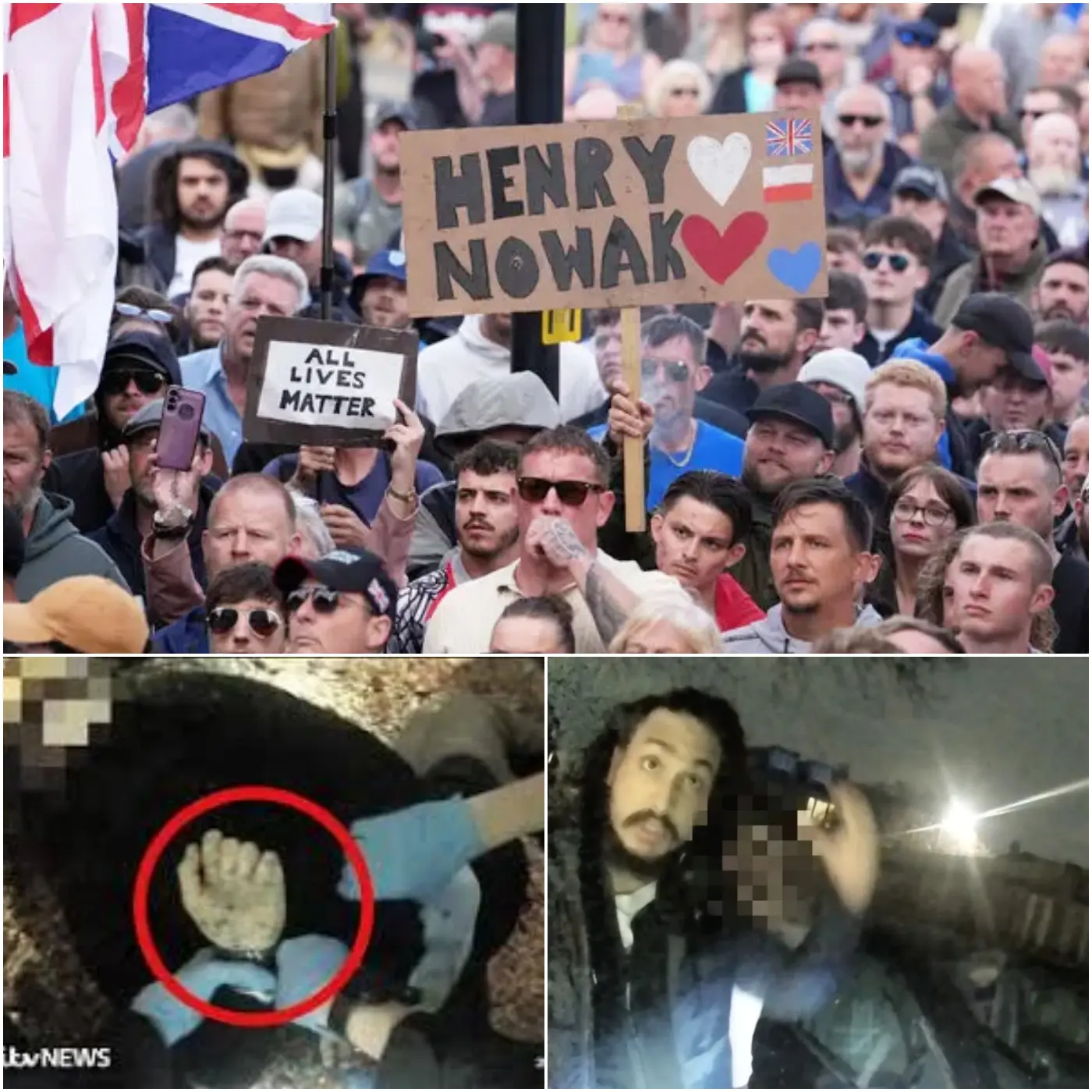
Nowak, described by his family and friends as a kind, humorous, and promising young man with a bright future ahead, encountered 23-year-old Vickrum Digwa near the junction of Belmont Road and St Denys Road. According to court proceedings and evidence presented at trial, an altercation occurred. Digwa, who was carrying a ceremonial kirpan dagger and another blade, stabbed Nowak five times, including fatal wounds to the chest that pierced his heart and lungs. Nowak was unarmed.

When police officers from Hampshire and Isle of Wight Constabulary arrived at the scene, Digwa and members of his family who were present claimed that Nowak had racially abused Digwa and knocked off his turban. This false narrative, later rejected by the court, appeared to shape the initial police response. Bodycam footage released following Digwa’s conviction shows officers focusing on Nowak as the potential aggressor while he lay bleeding on the ground.
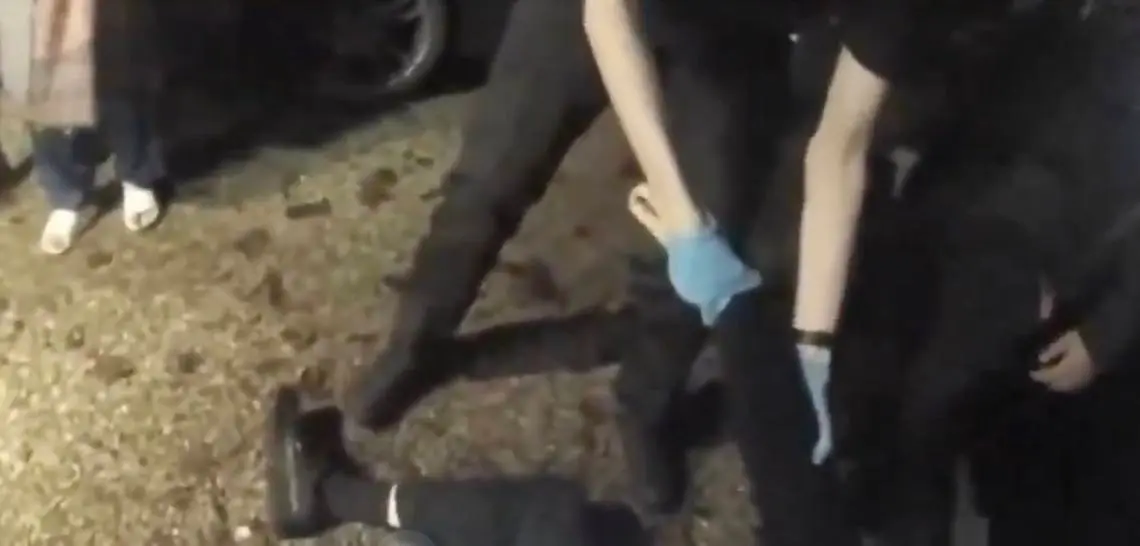
In the harrowing recordings, Nowak can be heard repeatedly telling officers, “I’ve been stabbed.” One officer responds, “Whereabouts? Don’t think you have, mate!” As Nowak groans in distress and says, “I can’t breathe,” officers instruct him to comply with being handcuffed. The footage captures further exchanges where Nowak continues to plead for help, while police appear to delay medical assessment, prioritizing verification of the assault claims. A blood trail from the attack site was visible, yet the immediate focus remained on detaining the victim. Nowak died at the scene without receiving timely life-saving intervention.
Digwa was convicted of murder on May 28, 2026, and sentenced to life imprisonment with a minimum term of 21 years on June 1. The judge, William Mousley KC, described the attack as deliberate and rejected Digwa’s claims of self-defense or provocation by racial abuse. Digwa’s mother, Kiran Kaur, was convicted of assisting an offender for hiding the murder weapon. Sentencing remarks highlighted the devastating impact on Nowak’s family, who spoke of their son’s future being “cruelly taken away” and the “horrific pain” of his loss.
The release of the bodycam footage has ignited widespread outrage. Hampshire Police issued apologies, and the Independent Office for Police Conduct (IOPC) launched an investigation into the officers’ actions. Nowak’s family has demanded a transparent inquiry, emphasizing that while Digwa bears full responsibility for the murder, their son “did not die with dignity” under police watch. They met with Prime Minister Keir Starmer, calling for accountability without allowing the tragedy to fuel division.
This case has amplified ongoing concerns about knife crime in Britain. Southampton, like many UK cities, has seen rising incidents involving bladed weapons, particularly among young people. Critics argue that the incident exemplifies deeper systemic issues, including training that may overly emphasize perceptions of racial dynamics at the expense of immediate life-saving actions. The sight of officers handcuffing a visibly injured young man while accepting the attacker’s story has led to accusations of misplaced priorities and “two-tier policing.” Protests in Southampton and elsewhere turned violent in some instances, with clashes involving police, injuries to officers, and arrests.
Far-right groups and anti-immigration activists seized on the case, though family statements and community leaders urged calm.
Defenders of the police point to the chaos of the scene, the need to secure potential threats, and the rapid spread of information from witnesses at the scene. Officers arrived after a 999 call from Digwa’s brother, who reinforced the false account of a racist attack. In high-pressure situations involving conflicting claims, verification takes time. However, the visible failure to promptly check for stab wounds despite Nowak’s clear statements has raised serious questions. Medical experts have suggested that the handcuffing and positioning may have worsened his injuries by disrupting blood clots.
The kirpan, a ceremonial dagger central to Sikh faith, has also come under scrutiny. Digwa claimed religious reasons for carrying it, but the court heard evidence of his “weapons obsession.” Broader debates about exemptions for religious blades in public spaces have resurfaced, with some calling for stricter regulations to prevent misuse. Sikh community organizations, including the Sikh Federation UK, condemned Digwa’s actions unequivocally and distanced the faith from the crime.
Henry Nowak’s background adds poignancy to the story. Originally from Chafford Hundred in Essex, he had only recently begun his university life. Friends remembered him as someone who enjoyed football and carried himself with principle. His death has left a permanent void for his loved ones, who continue to grieve while pushing for answers.
The IOPC investigation is expected to examine whether officers followed proper protocols for dealing with injured persons and assessing medical emergencies. Hampshire Police have acknowledged shortcomings and committed to learning lessons. Prime Minister Starmer described the footage as raising “serious questions for police,” signaling potential reforms in training and response procedures.
This tragedy occurs against a backdrop of national frustration with knife crime statistics. Despite various government initiatives, fatal stabbings remain distressingly common, disproportionately affecting young men. Public trust in policing has been tested by high-profile cases where response times, resource allocation, or perceived biases appear to fail victims. Calls for “heads to roll” and fundamental reform have grown louder, though experts caution against knee-jerk reactions that could undermine community relations.
As the inquest into Nowak’s death proceeds—scheduled for later scrutiny—questions linger about the balance between cultural sensitivity training and basic duties to preserve life. The bodycam evidence provides a stark, unfiltered record of those final moments: a young man pleading for help, dismissed initially, while his killer’s lies held sway.
Nowak’s family has expressed a desire for justice focused on truth rather than exploitation for political ends. Their dignified response stands in contrast to the polarized reactions that followed. For many observers, the case underscores the need for policing that prioritizes evidence, urgency in medical emergencies, and impartiality above all else.
In the months since the sentencing, the story of Henry Nowak has become a flashpoint. It highlights not only individual failings but broader societal tensions around crime, integration, trust in institutions, and the human cost when systems falter. As investigations continue and reforms are debated, the memory of an 18-year-old student who should have returned safely from a night out demands more than apologies—it calls for meaningful change to prevent similar losses.