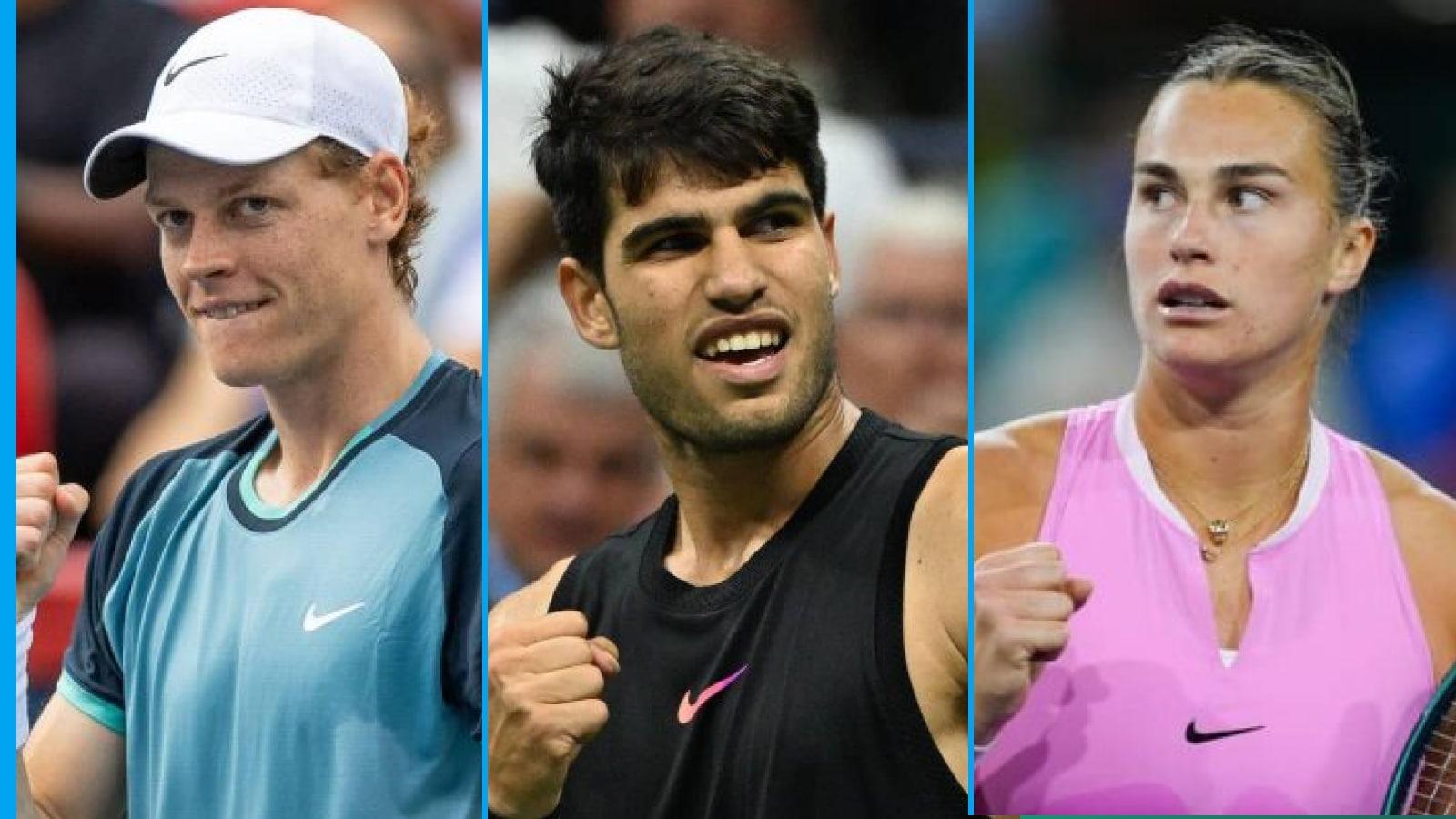
In an unprecedented show of unity, Carlos Alcaraz, Jannik Sinner and Aryna Sabalenka – three of the brightest names in tennis – have co-signed a letter urging tournament organizers to increase the percentage of revenue shared with players. This joint action, revealed earlier this week, has sent ripples through the international sports community and ignited a heated discussion about fairness and sustainability in professional tennis.
According to sources close to the initiative, the letter was addressed to several leading tour organizers, including both ATP and WTA events. It outlines concerns that, while the sport generates record-breaking revenues through broadcasting, sponsorships and ticket sales, a relatively small portion of these earnings reaches the athletes who actually compete. The signatories argue that current prize money structures do not reflect the true value players bring to tournaments, particularly at lower and mid-level events where financial pressures are acute.
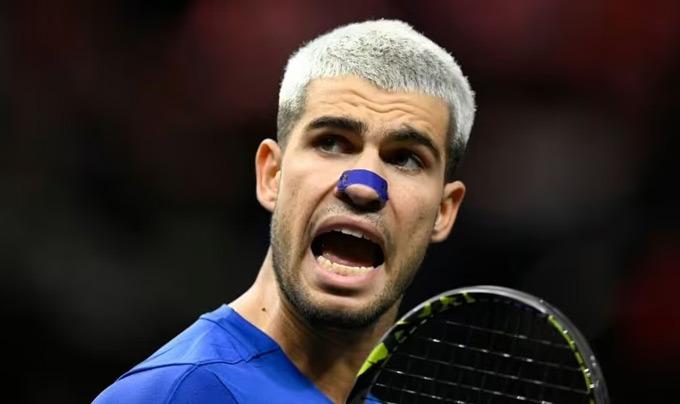
The decision by Alcaraz, Sinner and Sabalenka to go public together was deliberate. Each has risen rapidly through the ranks and now commands both on-court respect and off-court influence. By lending their names to the letter simultaneously, they aimed to emphasize that this is not just an isolated complaint but a collective demand for reform. For many observers, their move signals a generational shift – younger stars are no longer content to leave financial negotiations solely in the hands of agents or associations.
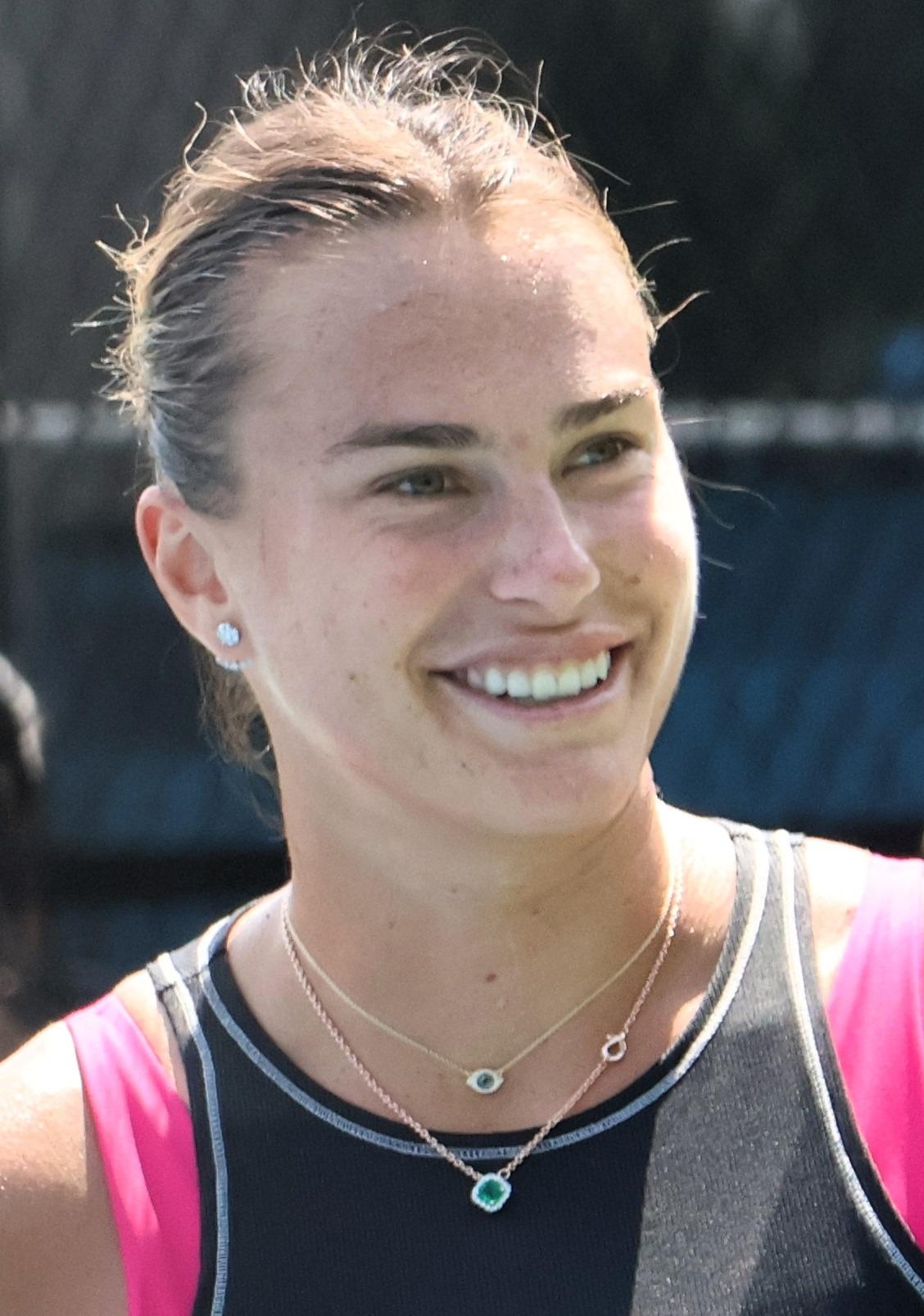
Reactions within the tennis world have been swift and polarized. Some veteran players and commentators have praised the trio for taking a stand on an issue that has simmered quietly for years. They note that while top players can still earn millions, the sport’s middle and lower tiers often struggle to cover travel and coaching expenses despite playing packed schedules. Others, however, warn that pushing too aggressively on revenue sharing could strain relations with tournaments, potentially leading to reduced event calendars or increased ticket prices for fans.
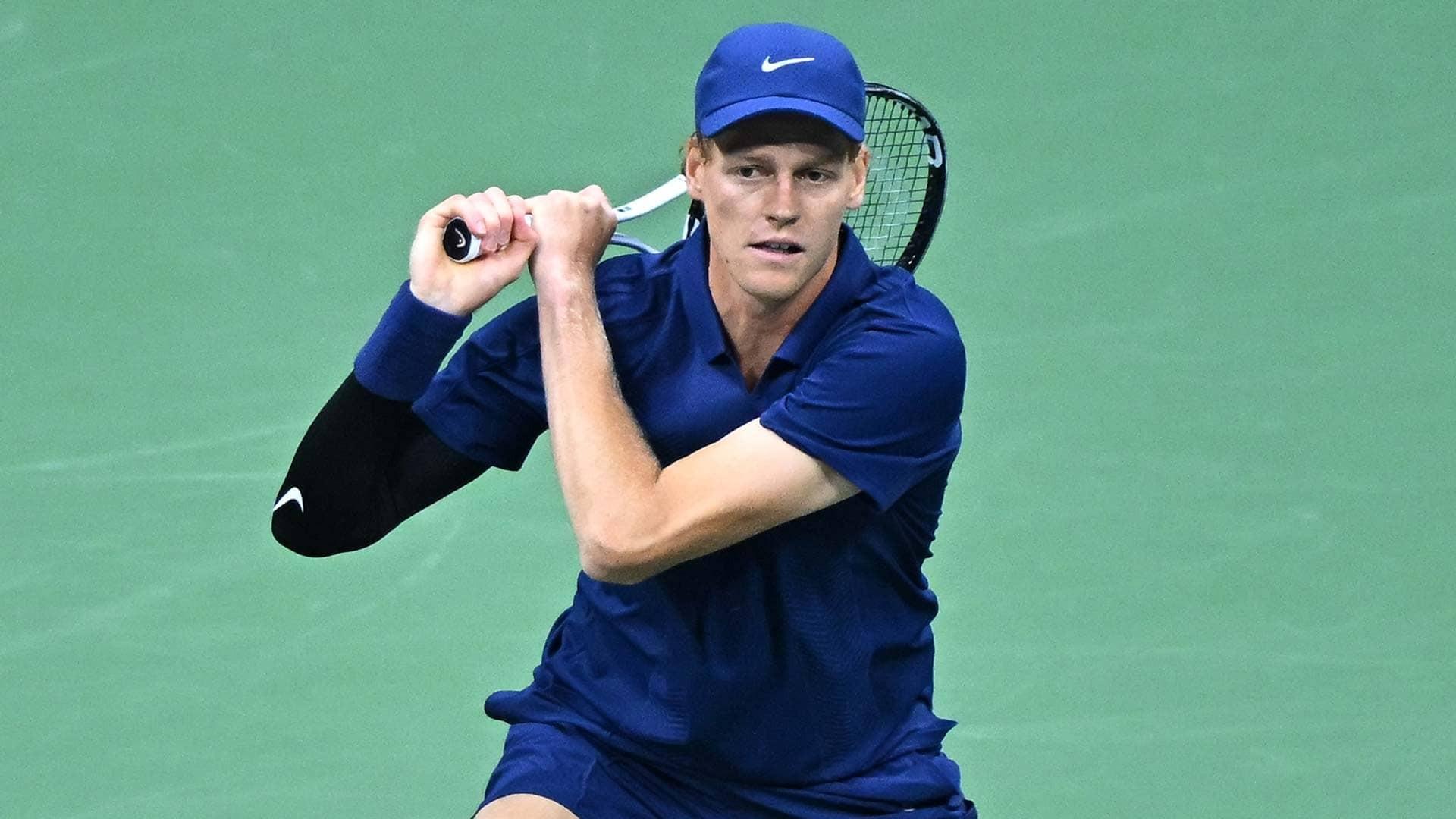
For Alcaraz, Sinner and Sabalenka, the risk appears calculated. All three have cultivated reputations not just as exceptional athletes but also as articulate ambassadors for the game. Their letter avoids inflammatory language and instead frames the request as a partnership: tournaments and players working together to ensure long-term growth. This measured tone may help rally additional support from colleagues across the tour, including doubles players and qualifiers who stand to benefit most from higher payouts.

What happens next remains uncertain. Organizers have yet to issue formal responses, though insiders suggest that some events may be open to discussions about incremental changes. Meanwhile, social media is buzzing with fans debating whether the athletes’ demands are fair or excessive. For many, the sight of three leading stars uniting across nationalities and tours represents a powerful moment – one that could influence not just tennis but broader conversations about labor, revenue and equity in global sports.
As the season continues, all eyes will be on how this bold initiative unfolds. Whether it results in tangible changes or simply sparks a long-overdue dialogue, Alcaraz, Sinner and Sabalenka have already succeeded in placing player compensation at the center of tennis’s global conversation, proving that even off the court they can shape the future of the sport.