For more than three decades, Denise Fergus has carried a profound grief that no parent should ever have to endure. As the mother of James Bulger, the toddler brutally murdered in one of Britain’s most infamous crimes, she now faces yet another painful chapter. The possibility that Jon Venables, one of the two boys convicted of killing her son, could be considered for release has once again thrust her into a public battle she has described as emotionally exhausting.
A fresh parole review has reopened wounds that have never fully healed, returning Denise to the forefront of a case that continues to evoke strong emotions across the nation.

The latest developments centre on the Parole Board’s reconsideration of Venables’ case, more than two years after his previous application was turned down. At the time of writing, no final decision has been publicly announced. What sets this review apart is that Denise has been granted permission to observe the forthcoming hearing, a significant step forward after the family was unable to attend the closed proceedings in 2023. This opportunity allows her a more direct connection to the process, though strict privacy rules will still govern the proceedings.
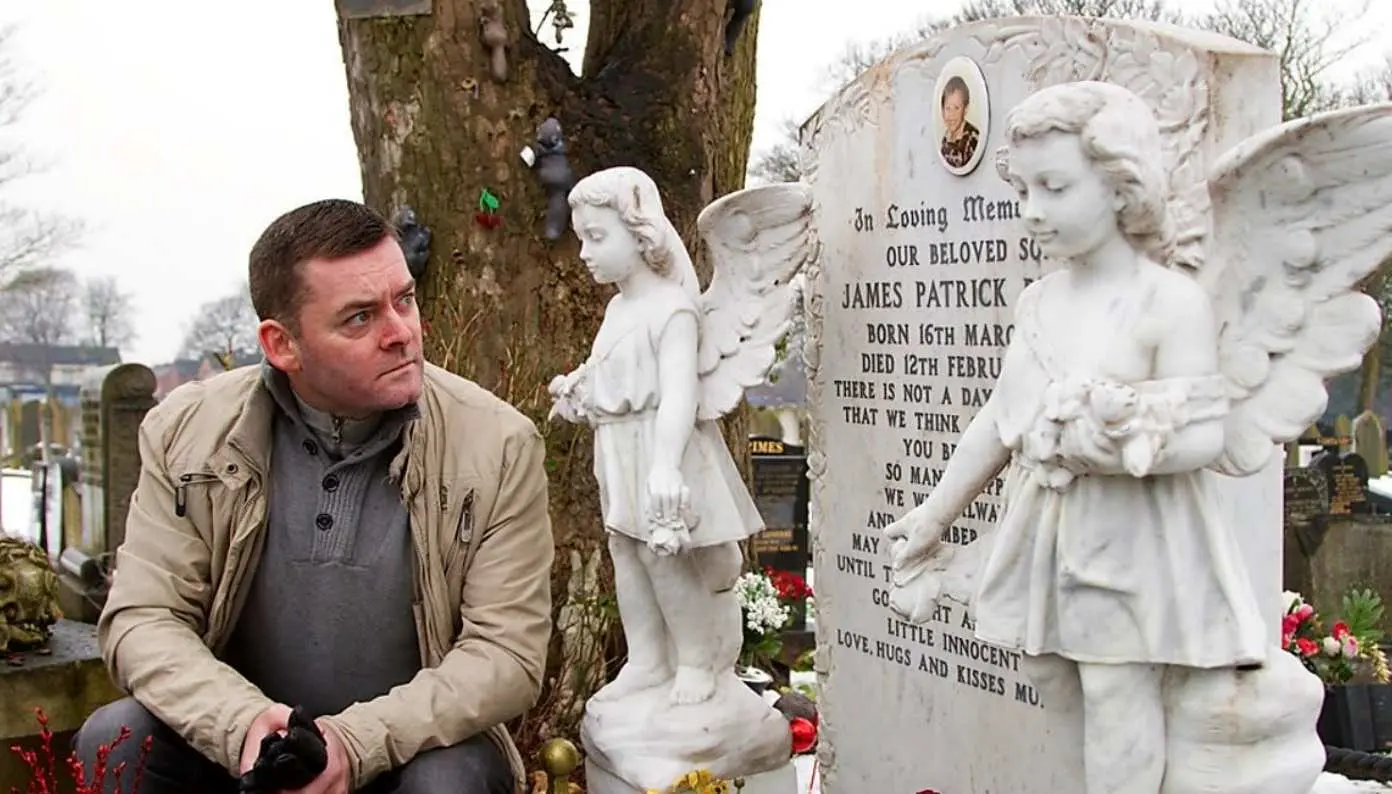
The abduction and murder of two-year-old James Bulger on 12 February 1993 shocked Britain to its core. Taken from the Strand shopping centre in Bootle, Merseyside, while his mother briefly shopped, James was led away by ten-year-olds Jon Venables and Robert Thompson. The boys subjected him to a horrific ordeal before leaving his body near a railway line. The crime prompted nationwide outrage, intense debate about youth justice, the nature of evil, and the balance between punishment and rehabilitation. Venables and Thompson were convicted later that year and detained in secure accommodation.
In 2001, after serving eight years, they were released on licence with new identities protected by lifelong anonymity orders designed to shield them from potential reprisals.

Since their release, their paths have diverged in the public eye. Robert Thompson is not known to have reoffended. Jon Venables, however, has been recalled to prison on two separate occasions for offences involving indecent images of children. These breaches have remained at the heart of Denise Fergus’s opposition to his potential release. She has consistently argued that repeated violations of licence conditions demonstrate that efforts to manage his risk in the community have failed, raising serious questions about public safety.
Venables was first recalled in 2010 after police discovered illegal images on his computer and determined he had breached the terms of his licence. He was released again in 2013, only to be returned to custody four years later following further offences related to child abuse images. For James’s family, each review process revives deep-seated fears. The uncertainty surrounding Venables’ future feels like a perpetual reopening of trauma that they believed had been addressed through the original sentencing and subsequent decisions.
In 2023, Venables’ previous parole application was rejected after a private two-day hearing. The Parole Board concluded that his release would not be safe for the protection of the public. The panel highlighted concerns about his willingness to communicate openly and honestly with professionals tasked with assessing and managing his risk. Further work was deemed necessary before any potential release could be considered manageable. Denise welcomed the decision at the time, describing it through a spokesperson as a long-awaited moment of relief for the family after years of uncertainty.
Yet parole decisions are not permanent, and the process has now restarted.
The new proceedings have compelled Denise to resume her public campaign in James’s memory. She has spoken candidly about how these hearings drain her mentally and emotionally, pulling her away from the quieter family life she cherishes. In the absence of legal battles, she simply wants to focus on being a mother and wife. However, when Venables’ status comes under review, she feels a compelling duty to speak out and advocate for what she sees as justice and safety. Denise has called for legislative changes regarding offenders who repeatedly breach their licence conditions.
She believes that individuals returned to prison multiple times should eventually forfeit the opportunity to seek freedom again, an argument grounded in both her personal experience and broader concerns for protecting the public.
The granting of permission for Denise to observe the latest hearing marks an important development. Reports from January 2026 indicated this change, allowing her greater insight compared to 2023, when victim impact statements were considered but family members could not attend in person. The hearing itself will remain tightly controlled under strict privacy protections. A lifelong legal order prohibits the publication of any details that could reveal Venables’ current identity or location. While these measures aim to protect him from serious threats, Denise has repeatedly voiced frustration over the perceived imbalance.
She has noted that Venables may have access to information about her public statements, while his own circumstances remain largely shielded from James’s family.
The Parole Board’s role in such cases is narrowly defined by law. It does not involve retrying the original crime or assessing whether the punishment has been emotionally sufficient for victims. Instead, the panel must determine whether the offender’s risk can be safely managed in the community. This involves reviewing extensive documentation — often hundreds of pages — and hearing evidence from prison staff, probation officers, psychologists, and psychiatrists. Factors considered may include behaviour in custody, evidence of genuine rehabilitation, ongoing risk levels, and the impact on victims and their families.
For Denise Fergus, the process transcends legal technicalities. It represents a lifelong commitment to honouring James’s memory and preventing similar tragedies. She has become a prominent voice in discussions around victims’ rights, youth crime, and the justice system. Her resilience in the face of unimaginable loss has earned widespread respect, even as the repeated reviews test her strength. Supporters of her position argue that public safety must take precedence, particularly given Venables’ history of reoffending.
Others involved in criminal justice reform emphasise the importance of rehabilitation and the legal rights afforded to all offenders, regardless of the severity of their past crimes.
The Bulger case has left an indelible mark on British society. It influenced changes in how shopping centres handle child safety, sparked conversations about media influence on young people, and continues to shape debates on sentencing for juvenile offenders. The anonymity orders granted to Venables and Thompson remain controversial, with periodic legal challenges and public discussions about transparency versus protection. Denise has navigated these complexities with determination, often balancing her private grief against the need to engage publicly when necessary.
As the latest review unfolds, the emotional toll on Denise and her family remains significant. Each cycle brings back memories of February 1993 and the enduring absence of James. Yet her continued advocacy highlights a broader message about victims’ voices in the parole system. She has expressed hope that the current process will consider not only risk assessments but also the long-term impact on those left behind.
No parent should have to repeatedly confront the system that failed to protect their child in the first place. Denise Fergus’s story is one of enduring strength amid profound loss. As the Parole Board deliberates once more, the nation is reminded of the human cost behind high-profile criminal cases. The outcome of this review will carry weight far beyond legal papers — it will affect a mother who has spent over thirty years seeking some measure of peace while fighting for accountability and safety.
Whatever the decision, Denise’s commitment to James’s memory ensures that his short life continues to influence important conversations about justice, rehabilitation, and the protection of the vulnerable in society.
The coming weeks may bring clarity, but for Denise Fergus, the journey of remembrance and advocacy is lifelong. Her courage in facing these repeated challenges serves as a powerful testament to a mother’s love and the enduring quest for justice in the face of unimaginable tragedy.