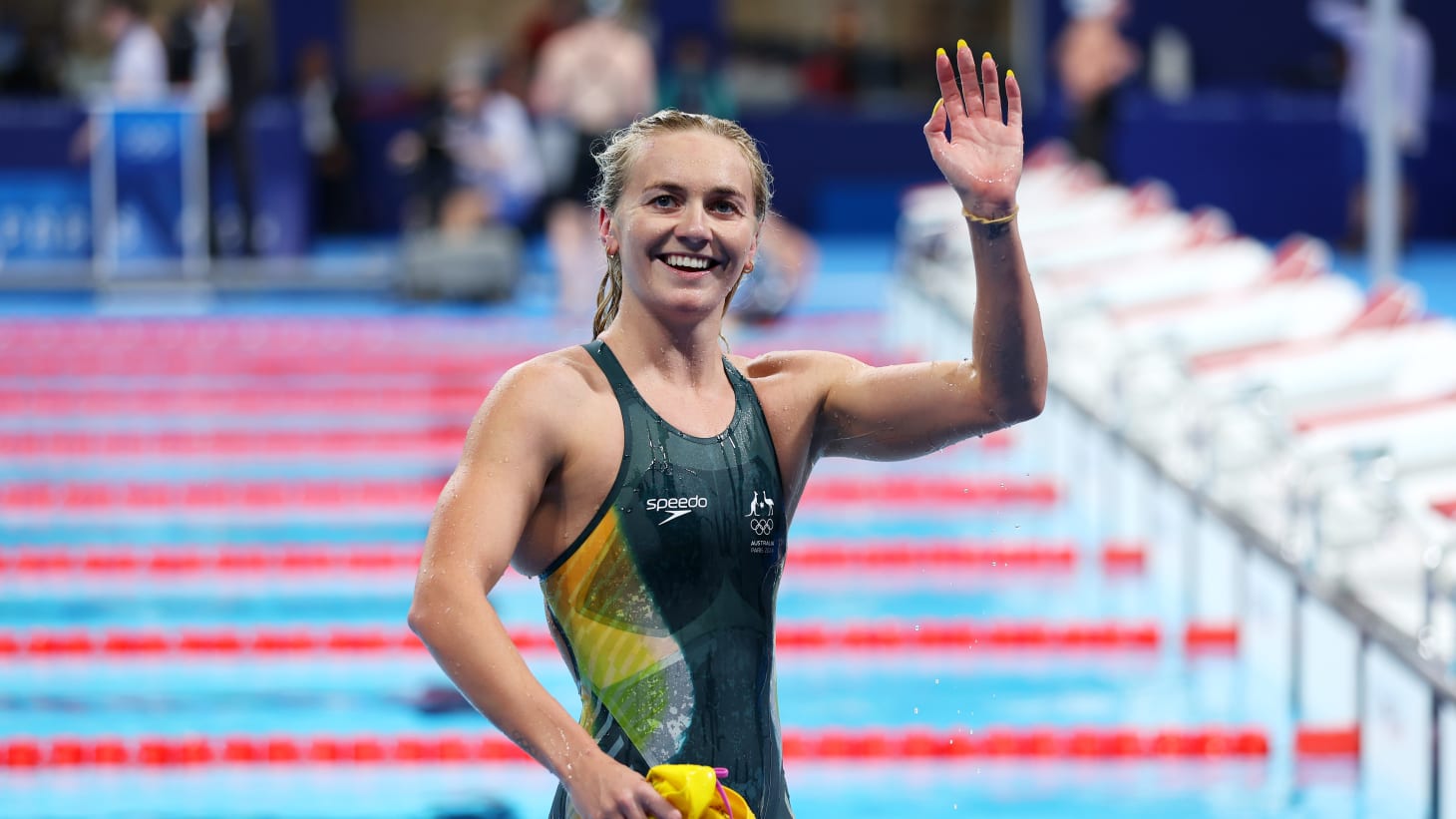
Ariarne Titmus, an Olympic champion and leading figure in Australian swimming, has voiced strong opposition to the Enhanced Games. In public statements, she expressed significant disapproval of the event’s approach, stating that it “makes my blood boil” and that she “absolutely despise[s] what they’re doing here.” Her comments reflect broader concerns within the traditional swimming community about the event’s model.
The Enhanced Games represent a controversial new competition format that permits the supervised use of performance-enhancing substances. Organizers position it as an open, medically monitored alternative to standard drug-tested events. James Magnussen, a former Australian Olympian, became one of the first prominent athletes to participate, generating substantial attention both before and after the inaugural edition.
Understanding the Enhanced Games Concept
The Enhanced Games, held in Las Vegas in May 2026, allowed competitors to use substances such as testosterone, EPO, and growth hormone under medical supervision. Organizers offered significant financial incentives, including prize money per event and a $1 million bonus for breaking certain records. The event aimed to explore human performance limits without traditional anti-doping restrictions.
Proponents argue that the format promotes transparency by bringing enhancements into the open rather than underground use. Critics, including many established athletes and governing bodies, contend that it undermines the principles of clean sport and could pose long-term health risks despite supervision. The event drew mixed results in terms of performance and public reception.
Titmus’s Perspective as a Clean Sport Advocate
Ariarne Titmus has built her career on achievements within the standard testing framework. As a multiple Olympic gold medalist in freestyle events, she represents the pinnacle of drug-tested competition. Her criticism highlights worries that the Enhanced Games devalue traditional records and create an uneven landscape for athletes who choose not to enhance.
In interviews following the event, Titmus questioned the legitimacy of performances achieved under enhancement protocols. She suggested that such advantages distort the essence of competition, comparing it informally to using equipment aids like fins. Her stance aligns with views expressed by other prominent swimmers who prioritize fair play under uniform rules.
Titmus’s comments resonate with organizations like World Anti-Doping Agency (WADA) and Swimming Australia, which maintain strict testing protocols. These bodies emphasize protecting athlete health and preserving the integrity of results achieved without pharmacological assistance.
James Magnussen’s Participation and Outcomes
James Magnussen, nicknamed “The Missile,” emerged from retirement to join the Enhanced Games. The three-time Olympian and former world champion signed on as the first major athlete, citing financial motivations and curiosity about enhanced performance. He underwent two years of supervised protocols before competing.
At the event, Magnussen competed in the 50m and 100m freestyle. Despite the enhancements, he finished last in both races. In the 100m, he recorded 49.44 seconds, significantly slower than his personal best from over a decade earlier. A non-enhanced competitor outperformed him in one final, adding to the surprise of the results.
Observers noted that Magnussen gained substantial muscle mass, which may have impacted his hydrodynamic efficiency in the water. Commentators described the outcome as a case where excessive enhancement worked against optimal swimming performance, turning him into what some called an “ocean liner” rather than a streamlined sprinter.
Despite the on-pool results, Magnussen earned prize money for participation. Organizers highlighted the event’s financial model as attractive for athletes considering similar paths. Magnussen has suggested that monetary incentives could draw more competitors in the future.
Reactions Across the Swimming Community
The Enhanced Games elicited varied responses. While some viewed it as an innovative experiment, many elite swimmers expressed skepticism. Cam McEvoy and other Australians joined Titmus in offering critical commentary, focusing on the perceived lack of genuine advancement in clean performance standards.
International coverage focused on the discrepancy between expectations and actual results. Several enhanced athletes failed to surpass official world records, raising questions about the event’s premise. One notable near-miss occurred in the 50m freestyle, but overall, the performances did not redefine benchmarks as anticipated by some.
Health and ethical considerations remain central to the debate. Medical supervision was a key feature promoted by organizers, yet critics point to potential unknown long-term effects of combined substances. Traditional sports bodies continue to advocate for tested competition as the standard for official recognition.
Broader Implications for Elite Sport
The contrast between Titmus’s clean-sport achievements and Magnussen’s enhanced participation illustrates ongoing tensions in swimming. Titmus continues to compete and excel under established rules, reinforcing her status among the sport’s leaders. Magnussen’s experience, meanwhile, provides a real-world case study of the Enhanced Games model in action.
Financial aspects play a notable role. The prize structure offers immediate rewards that differ from traditional pathways reliant on sponsorships and national funding. This element has prompted discussion about athlete career sustainability and choices in a evolving sports economy.
Governing bodies face questions about how to address emerging formats. While the Enhanced Games operates outside official channels, its visibility influences public perception of swimming. Athletes like Titmus serve as ambassadors for the values of dedication, training, and natural talent development.
Performance Analysis and Lessons
Magnussen’s results underscore the complexity of performance enhancement. Adding muscle mass and altering physiology does not guarantee improved times in technical sports like swimming, where technique, buoyancy, and efficiency matter greatly. His experience suggests limits to the benefits of certain protocols in specific disciplines.
Titmus’s reaction emphasizes the emotional investment athletes have in their sport’s integrity. For competitors who have dedicated years to drug-free training, alternative formats can feel like a direct challenge to their accomplishments. Her public stance contributes to wider conversations about what constitutes meaningful athletic achievement.
Future Outlook for the Enhanced Games and Traditional Sport
Organizers of the Enhanced Games have indicated plans for future events, potentially expanding the athlete pool. Whether additional high-profile names will join remains uncertain, given the mixed outcomes and strong pushback from figures like Titmus.
In contrast, the established international calendar, including World Championships and Olympics, continues under anti-doping frameworks. Athletes such as Titmus are expected to feature prominently, maintaining focus on clean competition. Magnussen’s chapter may represent an individual experiment rather than a widespread shift.
The episode highlights the diversity of views within swimming. Some athletes prioritize personal choice and financial opportunity, while others defend the traditional model as essential to the sport’s spirit. Balanced dialogue between stakeholders could help address concerns on all sides.
Conclusion: A Defining Moment in Swimming’s Evolution
Ariarne Titmus’s strong words against the Enhanced Games and James Magnussen’s participation have brought renewed attention to fundamental questions about performance, ethics, and the future of elite sport. Titmus’s defense of clean competition reflects the perspective of many who have succeeded within tested parameters. Magnussen’s results, though not matching hype, provide data points for evaluating the alternative approach.
As swimming navigates these developments, the contributions of athletes like Titmus continue to inspire through demonstrated excellence and principled positions. The Enhanced Games experiment, meanwhile, tests boundaries and invites scrutiny. Both paths contribute to ongoing discourse about how best to advance human athletic potential while preserving core values.