Golf has long been celebrated as a sport built upon integrity, patience, and self-discipline. Unlike many other professional sports, golfers are expected not only to compete against one another but also to uphold the traditions that have defined the game for generations. Recently, former professional golfer and respected television analyst Brandel Chamblee reignited an important discussion by criticizing the increasing frequency of emotional outbursts among today’s players.

According to Chamblee, behaviors such as swearing, smashing clubs, and openly displaying frustration are becoming more common, even during Major championships, raising questions about whether golf is gradually drifting away from its gentlemanly identity.
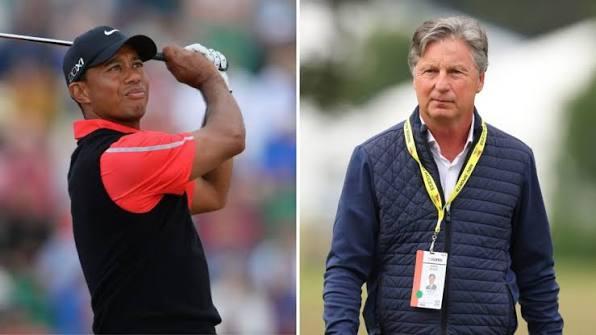
Chamblee’s comments gained widespread attention because they were not simply directed at one individual player. Instead, he addressed what he views as a broader cultural shift within professional golf. He argued that emotional reactions that once would have been considered inappropriate are now often accepted or even normalized by spectators and television audiences. While competitive pressure has always existed in golf, Chamblee believes the standards of conduct have evolved in ways that deserve careful examination rather than automatic acceptance.
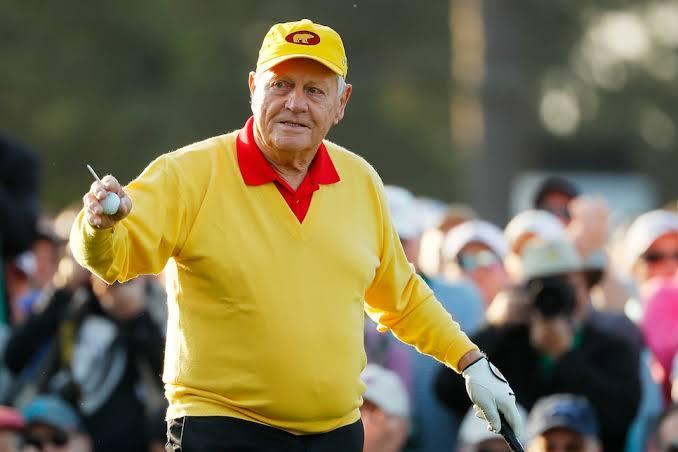
One of the strongest points made by Chamblee was his comparison to Jack Nicklaus, widely regarded as one of the greatest golfers in history. Chamblee remarked that fans would never have witnessed Nicklaus behaving in the manner occasionally seen among some modern professionals. His statement was not intended merely as nostalgia but as an illustration of how emotional discipline once formed an essential part of elite golf. Nicklaus became known not only for his extraordinary achievements but also for maintaining composure during the most demanding moments of his remarkable career.
The comparison naturally invites discussion about whether golf itself has changed or whether the personalities competing at the highest level have simply become more expressive. Modern athletes compete in an environment filled with constant media coverage, live microphones, social media commentary, and enormous financial rewards. Every shot is analyzed instantly by millions of viewers. These external pressures create a psychological landscape that differs significantly from previous generations. Nevertheless, Chamblee argues that increased pressure should strengthen the need for emotional control rather than excuse visible displays of frustration.
From a sports psychology perspective, emotional regulation plays a significant role in golf performance. Golf is unique because players have considerable time between shots, allowing both positive and negative thoughts to develop. A golfer who allows anger to dominate after one poor swing may carry that frustration into several subsequent holes. Professional mental coaches frequently emphasize breathing techniques, structured pre-shot routines, visualization, and acceptance strategies precisely because emotional consistency contributes directly to competitive consistency over four demanding tournament rounds.
Swearing or striking equipment may appear to provide temporary emotional release, but sports psychologists often question whether such reactions truly improve performance. While some athletes believe expressing frustration helps them reset mentally, research in performance psychology generally suggests that repeated emotional outbursts increase cognitive distraction. Instead of focusing on the next challenge, the athlete remains mentally attached to the previous mistake. In golf, where concentration is everything, lingering frustration can become more damaging than the original poor shot itself.
Club smashing has become one of the most visible symbols of emotional loss of control in modern golf. Although not every broken club attracts major headlines, television cameras frequently capture these moments. Some fans interpret them as evidence of passion and competitive intensity. Others agree with Chamblee that such behavior sends the wrong message, particularly to younger golfers learning the game. Because professionals serve as role models, their conduct inevitably influences junior players who may imitate not only technical swings but also emotional responses.
Another important issue concerns golf’s unique culture of self-governance. Unlike many sports where referees monitor every action continuously, golf traditionally relies heavily on personal honesty. Players routinely call penalties on themselves even when officials may not have noticed an infraction. This tradition has contributed to golf’s reputation as a game of character. Chamblee’s concerns therefore extend beyond isolated emotional incidents; he believes respectful conduct reinforces the broader ethical foundation upon which the sport has been built for centuries.
Jack Nicklaus frequently demonstrated remarkable emotional stability throughout his career, even under extraordinary competitive pressure. Whether leading a Major championship or facing difficult conditions, he rarely allowed visible anger to become the defining feature of his performance. That composure was not accidental. Elite golfers from Nicklaus’s era often viewed emotional discipline as another competitive skill, similar to putting or course management. Remaining calm was considered part of being a complete champion rather than simply a desirable personality trait.
It is also important, however, to recognize that every generation experiences different expectations from fans and media. Today’s golfers compete in an era where authenticity is highly valued. Some supporters appreciate seeing genuine emotion because it reminds them that even world-class athletes experience disappointment. Emotional transparency can make players appear more relatable, reducing the distance between professionals and recreational golfers who also struggle with frustration after poor shots. This perspective explains why opinions remain divided regarding Chamblee’s criticism.
The commercial side of modern golf may also contribute to heightened emotional intensity. Tournament purses have increased dramatically, sponsorship obligations continue throughout the season, and world rankings influence invitations, endorsements, and career opportunities. Every stroke can carry significant financial and professional consequences. Although previous generations certainly competed for prestige and prize money, the scale of today’s global golf industry places additional psychological demands on players throughout the calendar year.
Technology has further amplified every emotional moment. High-definition broadcasts, on-course microphones, social media clips, and instant online discussions ensure that reactions lasting only a few seconds can circulate worldwide within minutes. A frustrated gesture once witnessed only by nearby spectators now becomes permanent digital content viewed millions of times. Consequently, players must manage not only their emotions but also the public interpretation of those emotions long after the tournament concludes.
Coaches increasingly recognize that technical excellence alone is insufficient for sustained success. Many elite golf programs now incorporate sports psychologists, mindfulness specialists, and performance consultants into their support teams. Emotional resilience has become a measurable area of development alongside driving distance, approach accuracy, and putting statistics. These investments reflect the understanding that maintaining composure during adversity often separates consistent champions from exceptionally talented players who struggle under pressure.
The discussion initiated by Chamblee should therefore not be viewed simply as criticism of younger golfers. Rather, it raises broader questions about the identity of professional golf in the modern era. Can players express authentic emotion while still preserving the traditions that distinguish golf from many other sports? Is there a balance between passion and professionalism? These questions deserve thoughtful consideration because they influence how future generations understand the values associated with competitive golf.
Many current professionals already demonstrate outstanding sportsmanship despite competing under extraordinary pressure. Acts of honesty, respect toward competitors, and gracious interactions with fans remain common throughout professional tours. These positive examples suggest that golf’s traditional values have certainly not disappeared. Nevertheless, Chamblee argues that preserving those values requires continuous attention rather than assuming they will naturally endure without conscious effort from players, coaches, and governing bodies.
Ultimately, Chamblee’s reference to Jack Nicklaus serves less as a comparison between individuals and more as a reminder of the standards that once defined championship golf. Whether every modern player agrees with his assessment is almost secondary to the conversation it has inspired. Emotional control, personal responsibility, and respect for the game remain qualities that many believe elevate golf beyond pure athletic competition. As professional golf continues to evolve, maintaining a thoughtful balance between competitive passion and timeless sportsmanship may prove just as important as mastering any swing technique.
The debate is unlikely to end soon, but it offers an opportunity for players, fans, and officials alike to reflect on how the character of the game should develop while honoring the traditions that have made golf one of the world’s most respected sports.