Tadej Pogačar made headlines during stage three of the 2026 Tour de France by allowing teammate Isaac del Toro to take the stage victory. The Slovenian star eased up in the final meters, enabling the young rider to claim his first Tour de France stage win. This moment has sparked debate about whether such a gesture disrespects the peloton or represents smart team strategy.
Several riders have spoken out in support of Pogačar’s decision. They argue that the move was not an insult but rather a logical choice given the circumstances. Del Toro had attacked strongly and was clearly the strongest rider in the final kilometres. Pogačar simply chose not to chase him down in the closing stages.
Sepp Kuss of Visma-Lease a Bike expressed understanding of the decision. He noted that Pogačar has already won numerous Tour stages and that giving a teammate a victory can lift the entire team. Kuss, who has experienced similar team dynamics, emphasised that such gestures can have significant positive effects on team morale.
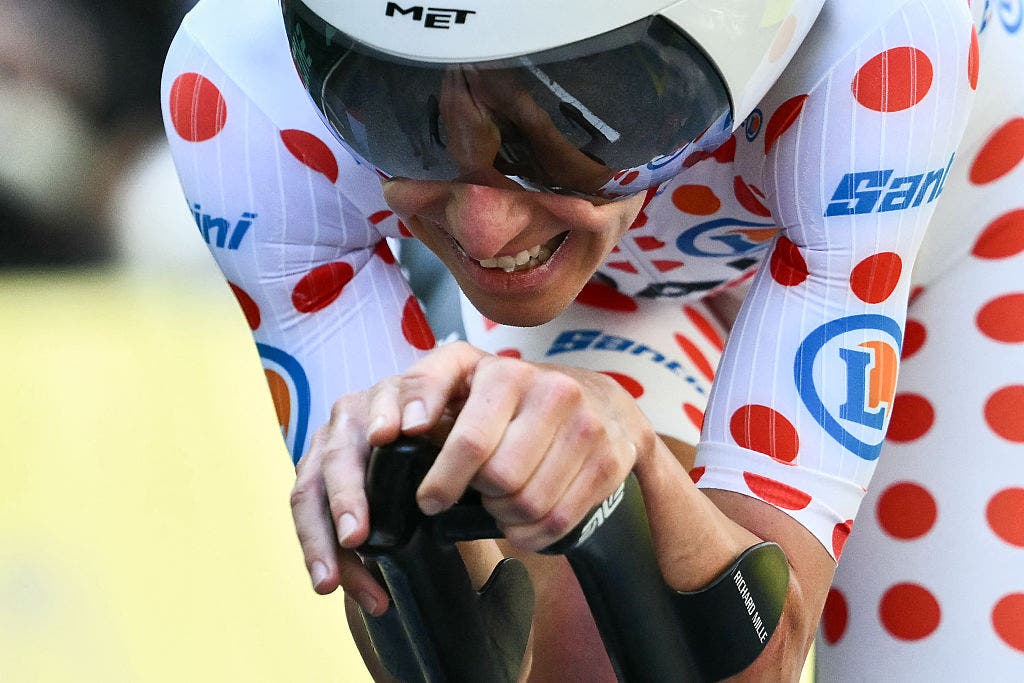
Tiesj Benoot of Decathlon-CMA CGM also dismissed any suggestion of disrespect. He pointed out that Del Toro was the strongest rider on the day and that Pogačar’s decision made strategic sense. The Belgian veteran highlighted how supporting a strong teammate benefits the whole squad in the long run.
The gesture occurred after Pogačar had already taken the yellow jersey earlier in the stage. By allowing Del Toro to win, he demonstrated confidence in his own position while rewarding a teammate’s strong performance. This approach reflects the team-oriented philosophy that has contributed to UAE Team Emirates’ success in recent years.
Cycling has traditionally followed unwritten rules about stage victories. Easing up to let another rider win, even a teammate, has sometimes been viewed as disrespectful. However, many current riders argue that the sport’s culture is evolving and that team success should take precedence in certain situations.
Pogačar has a history of generosity toward teammates. Last year, he allowed Brandon McNulty to win a major one-day race when they arrived together at the finish. These actions demonstrate a leadership style that values team achievements alongside personal glory.
Del Toro’s victory was not simply handed to him. The young rider attacked first and created a gap that others could not close. Pogačar’s decision not to chase in the final meters was more about acknowledging his teammate’s superior form on the day than giving away a win outright.
The peloton’s reaction has been largely understanding. Most riders recognise that modern professional cycling requires strategic teamwork. Supporting strong teammates can strengthen the entire squad for the more difficult mountain stages ahead.
Pogačar later described Del Toro’s victory as one of the highlights of his own career. He emphasised their growing friendship and the joy of seeing a teammate succeed. This emotional response further illustrated the positive team dynamics within UAE Team Emirates.
The incident has prompted broader discussions about the evolving culture of professional cycling. Traditional views about individual glory are increasingly balanced with recognition of collective effort. Many see this shift as positive for the sport’s development.
Tour de France director Christian Prudhomme and other officials have not commented directly on the gesture. Race organisers generally allow teams to manage their internal strategies as long as they respect the rules and spirit of fair competition.
Fans have expressed mixed reactions online. Some praise Pogačar’s generosity while others feel that stage wins should be contested more fiercely. This diversity of opinion reflects the passionate engagement of the cycling community with every aspect of the race.
Pogačar’s dominance in recent years has led to questions about the competitiveness of the Tour de France. His ability to control races while still supporting teammates demonstrates both individual strength and team leadership. This balance may be key to his continued success.
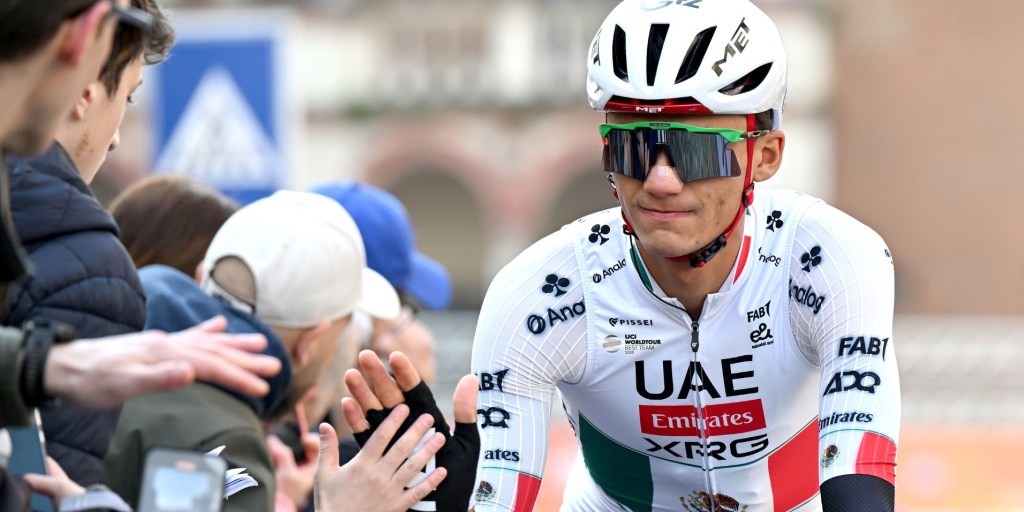
Isaac del Toro has shown impressive development as a professional rider. His first Tour de France stage win represents a significant milestone. The support from Pogačar and the team has clearly contributed to his confidence and performance.
The remainder of the 2026 Tour de France promises exciting racing as the peloton heads into the mountains. Both Pogačar and Vingegaard will be key protagonists in the battle for the yellow jersey. Team strategies and individual form will play crucial roles in determining the final outcome.
UAE Team Emirates has established itself as one of the strongest teams in professional cycling. Their ability to develop multiple leaders while maintaining team cohesion sets them apart. The recent gesture between Pogačar and del Toro exemplifies this successful approach.
Cycling’s unwritten rules continue to evolve with the sport itself. What was once seen as unacceptable may now be viewed as smart racing and good teamwork. This cultural shift reflects broader changes in how professional athletes approach competition and collaboration.
The 2026 Tour de France has already provided numerous memorable moments. The interaction between Pogačar and del Toro adds another layer to the race narrative. Such human elements enhance the sport’s appeal to both dedicated fans and casual observers.
Tadej Pogačar’s decision to let teammate Isaac del Toro win stage three of the 2026 Tour de France has sparked debate but received understanding from fellow riders. Rather than an insult to the peloton, many see it as smart team strategy and generous leadership. As the race continues, this moment highlights the complex dynamics of modern professional cycling where individual and team success are increasingly intertwined.