“It’s absurd” Former IndyCar champion Jacques Villeneuve has expressed major concerns about F1 teams ignoring Alex Palou for a 2026 slot despite his special relationship with Cadillac F1 and Red Bull
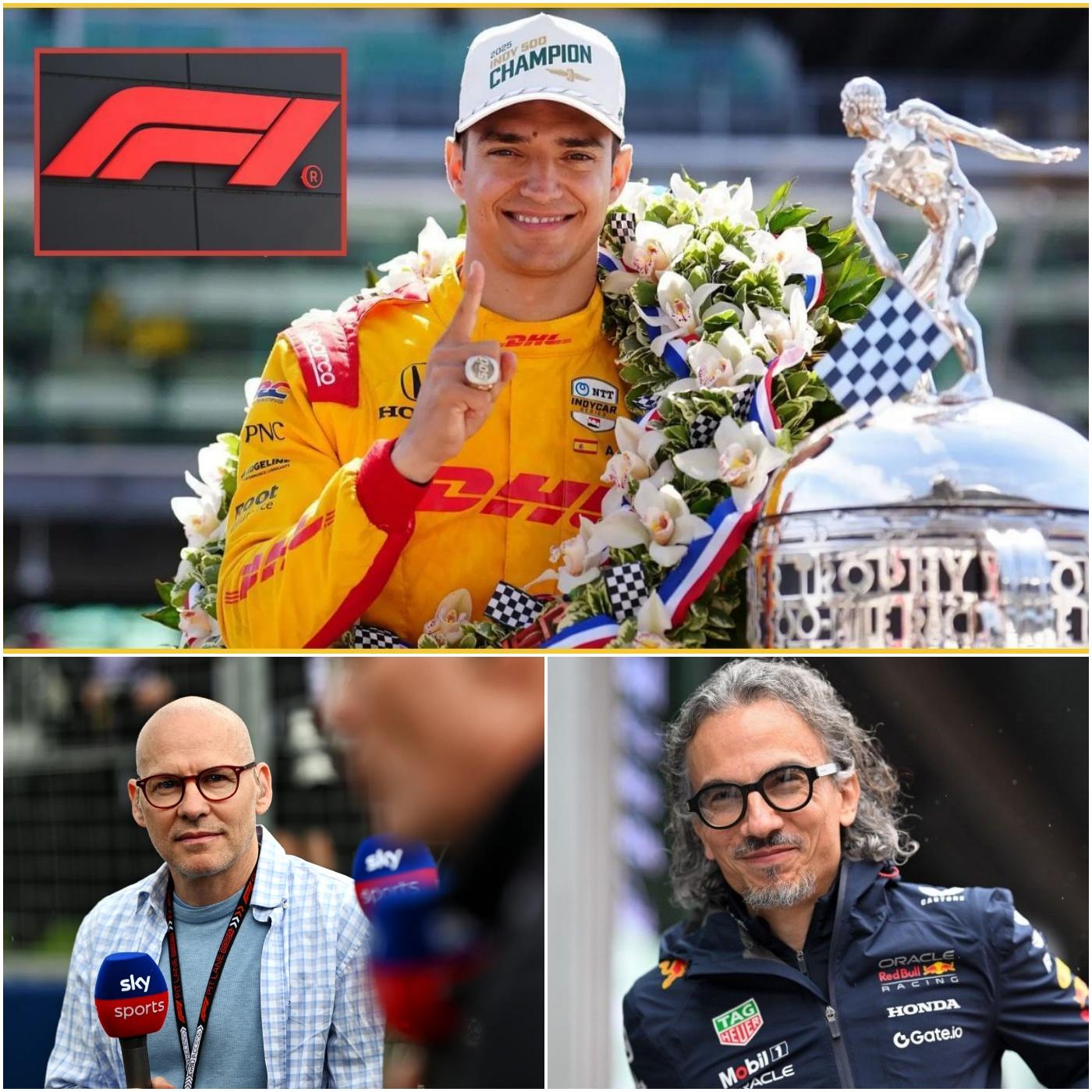
In the high-stakes world of Formula 1, where driver lineups can make or break a season, few voices carry the weight of Jacques Villeneuve’s. The 1997 F1 world champion and 1995 Indianapolis 500 winner has never shied away from calling out what he sees as glaring oversights in the sport. His latest critique, aimed squarely at the paddock’s apparent blindness to IndyCar sensation Alex Palou, has ignited fresh debate just as teams scramble to finalize their 2026 rosters.
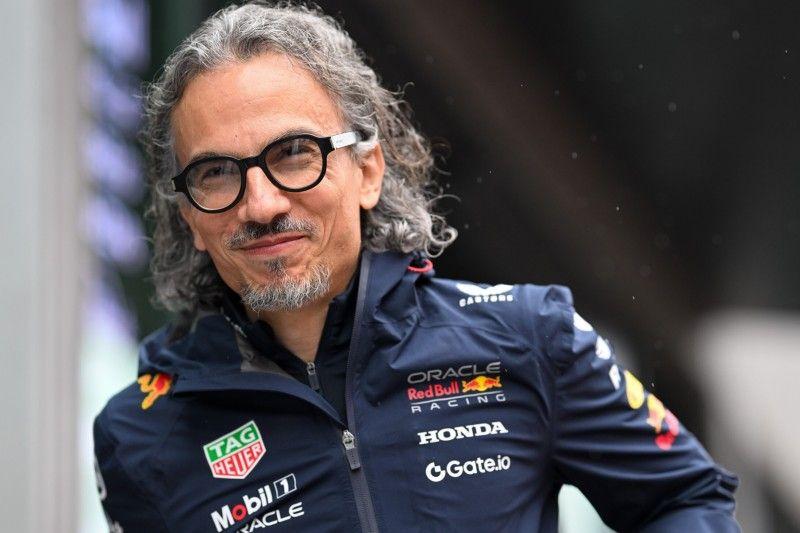
“It’s absurd,” Villeneuve declared in a recent interview, his frustration palpable over F1’s reluctance to tap into proven talent from across the Atlantic. Speaking to a betting site and quoted by GPblog, the Canadian driver-turned-pundit didn’t mince words. While discussing Alpine’s ongoing driver merry-go-round—where the Enstone-based squad has already burned through two rookies in 2025 and still lacks clarity on its second seat alongside Pierre Gasly—Villeneuve urged a bolder approach. “Flavio Briatore has always been very brutal, that’s how it should be,” he said of the returning Alpine executive. “He’s made a lot of driver calls in the past, some that were amazing and some that were completely messed up, but at least he tried.”
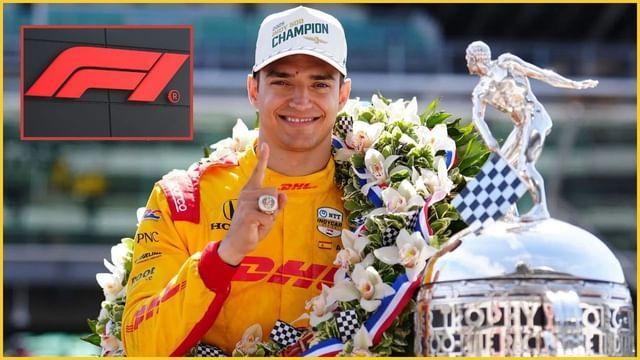
Villeneuve’s ire zeroed in on Palou, the 28-year-old Spaniard who just wrapped up a dream 2025 IndyCar campaign with Chip Ganassi Racing. In a season of utter dominance, Palou clinched his fourth series title—his third in a row—by winning eight of 17 races, including a triumphant run at the 109th Indianapolis 500. The math is staggering: in the nine events he didn’t conquer outright, he still podiumed five times, amassing a points haul that left rivals in the dust. This wasn’t just victory; it was a clinic in consistency and raw speed on ovals, road courses, and street circuits alike. For context, Palou’s win tally alone outpaces the combined race victories of several current F1 midfield drivers over the past two seasons.
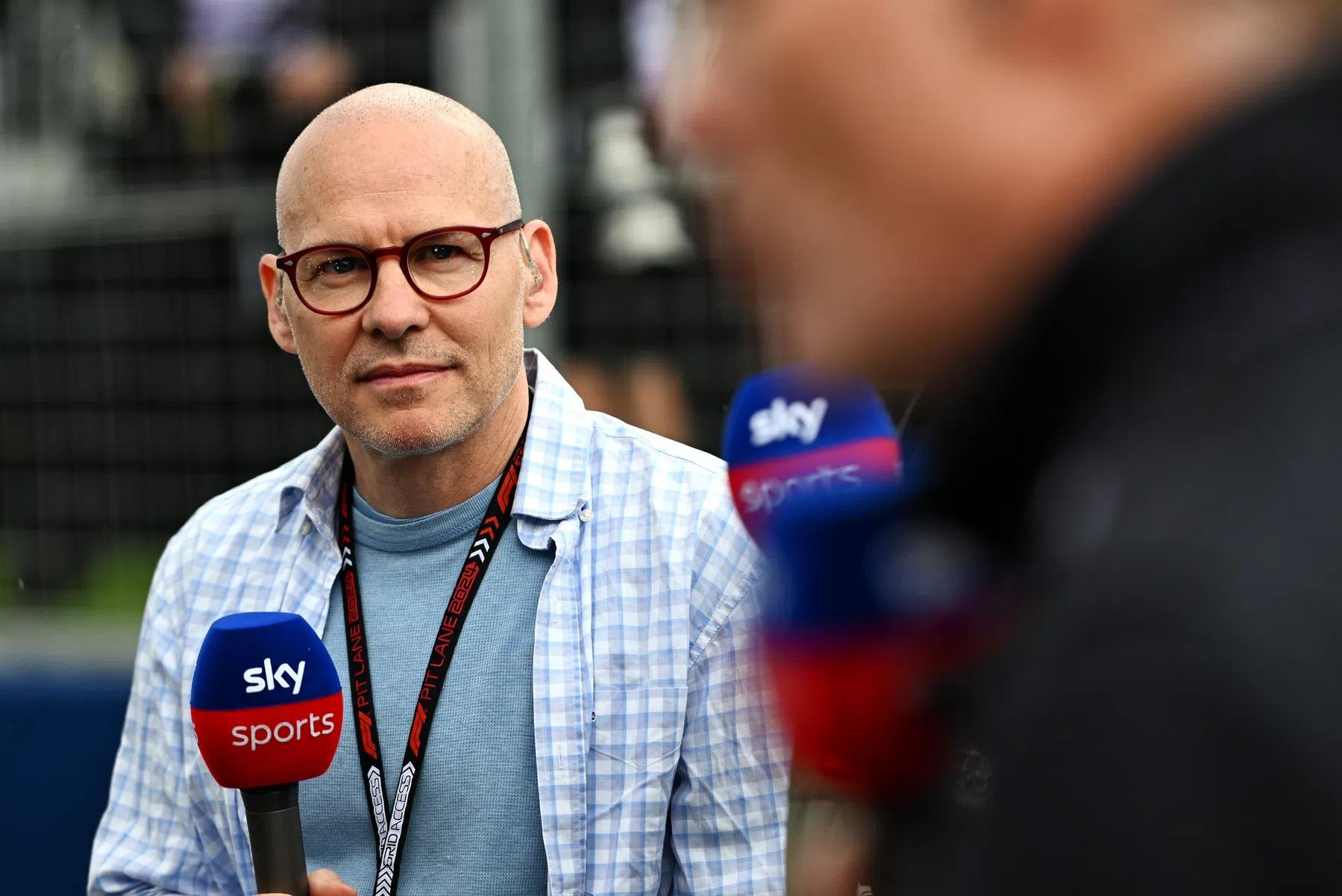
Yet, despite this resume screaming “F1 ready,” Palou remains on the sidelines of the premier series. Villeneuve finds it baffling. “We don’t see that sparkle from any young drivers at the moment,” he lamented. “It’s very difficult to know what’s coming up. For some reason, F1 is not looking at what’s happening in the States, like in IndyCar, and which drivers could or could not maybe be a potential F1 driver.” He singled out Palou as the prime example: “I think someone like Alex Palou, I still don’t understand why he is not in F1? It doesn’t make sense. Why would you prefer an F2 driver?”
The irony is sharpened by Palou’s tangled history with F1 powerhouses. Earlier this year, following his Indy 500 heroics, whispers linked him to the incoming Cadillac F1 team—the General Motors-backed 11th entrant set to join the grid in 2026 under the Andretti Global banner. Cadillac, with its deep American roots and aggressive push into global motorsport, seemed a natural fit for a driver who’s become IndyCar’s face. Palou’s poise under pressure, his adaptability to high-speed ovals, and his marketability as a young European talent conquering U.S. racing could have bridged continents for the new squad. Reports suggested informal talks, fueled by Ganassi’s own ties to GM through sponsorships and tech partnerships. But Palou doused the flames swiftly. “Everybody knows that I tried everything to get into F1; I was all-in,” he told RACER. “It didn’t work. I’m not looking to go there… I’ve had no contacts [in F1]. I’m not looking for a change.”
If that snub stung, August brought an even juicier rumor: Red Bull eyeing Palou as a potential teammate for Max Verstappen in 2026. The Austrian powerhouse, perennial title contenders, has long scouted beyond Europe’s junior ladders, but this felt seismic. An IndyCar champ pairing with the four-time F1 king? It echoed the crossovers that launched legends. Yet, like the Cadillac chatter, it evaporated under scrutiny. Palou dismissed it outright, while team owner Chip Ganassi branded the story “clickbait.” Red Bull advisor Helmut Marko echoed the denial: “There’s absolutely no truth” to the claims. These “special relationships”—rumored alliances that never materialized—only amplify Villeneuve’s point. Palou isn’t some untested prospect; he’s a serial winner who’s already navigated F1’s periphery as McLaren’s reserve driver in 2023, enduring a messy contractual fallout that soured his European ambitions.
Villeneuve knows this territory intimately. His own path from IndyCar dominance—back-to-back CART titles in 1994-95—to F1 glory mirrors what Palou could achieve. Juan Pablo Montoya followed suit, storming to CART crowns before grabbing poles and wins at Williams and McLaren. These success stories underscore a painful truth: F1’s talent pipeline has grown insular, fixated on Formula 2 and 3 graduates who often flounder under the spotlight. Look at 2025’s rookie woes—Alpine’s Jack Doohan and Franco Colapinto have shown flashes but little more—while proven aces like Palou gather dust.
The 2026 grid adds urgency. With Cadillac debuting, Sauber morphing into Audi, and Haas potentially rotating its American duo, seats abound. Williams eyes Logan Sargeant replacements; Mercedes mulls beyond George Russell. Why not Palou, whose super license points are banked and whose oval-honed bravery could thrive on Monaco’s barriers or Silverstone’s sweeps? Critics argue adaptation hurdles—IndyCar’s spec chassis versus F1’s aero wars—but Palou’s simulator stints and raw metrics (lap times adjusted for machinery) suggest otherwise.
Palou himself seems resigned, thriving in IndyCar’s less cutthroat ecosystem. “I’m glad that I have an amazing opportunity here, and it’s going well,” he reiterated post-title. Yet Villeneuve’s rant stirs hope. In a sport craving fresh narratives amid Verstappen’s reign and Hamilton’s Ferrari leap, Palou could be the wildcard. Ignoring him isn’t just shortsighted; it’s absurd. As engines evolve for 2026’s hybrid overhaul, so too must mindsets. F1 risks missing its next Villeneuve—not by choice, but by complacency.