In the rolling hills of Somerset, where the echoes of thundering hooves still linger like a half-remembered dream, a chapter of British National Hunt racing has drawn to a quiet close. Lough Derg, the indomitable staying hurdler whose battles on the track embodied the raw spirit of the sport, passed away peacefully at the age of 25 on his retirement paddock at trainer David Pipe’s yard. It was a gentle end for a horse who, for over a decade, had charged into the fray with the ferocity of a gladiator, leaving behind a legacy etched in 12 hard-fought victories and the indelible mark of those who rode him to glory.
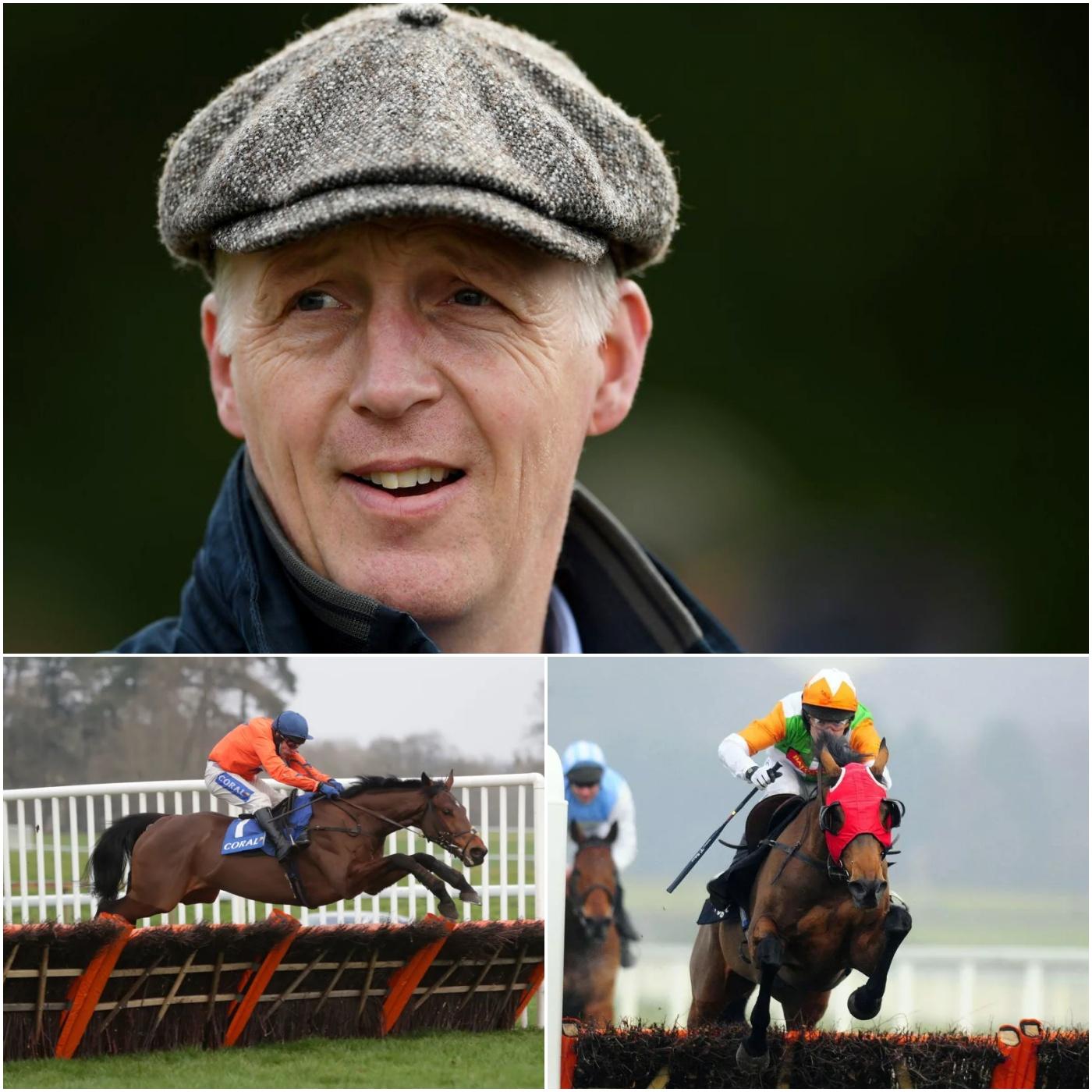
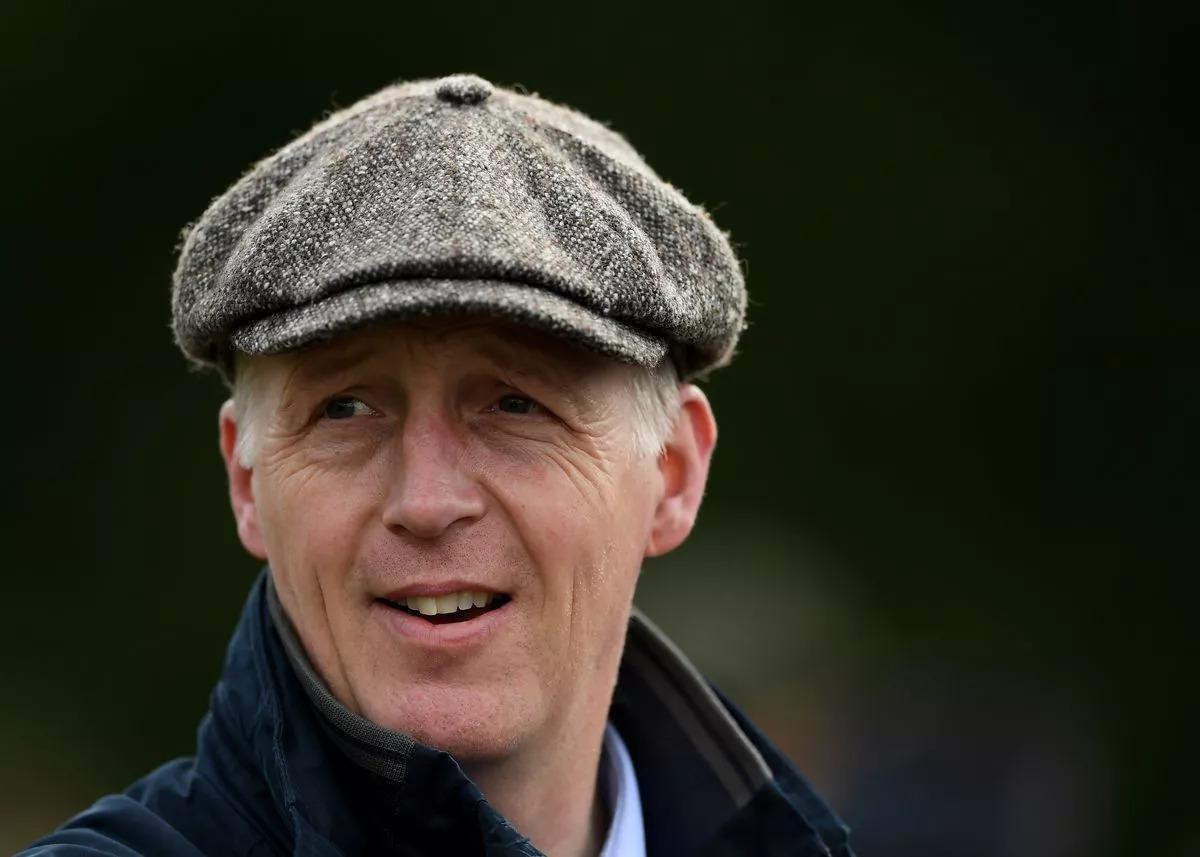
David Pipe, the trainer who inherited the stewardship of Lough Derg from his legendary father Martin, could scarcely hold back the emotion as he bid farewell to one of his stable’s most cherished warriors. “He had the heart of a lion,” Pipe said, his voice cracking with the weight of shared memories. “Lough Derg wasn’t just a racehorse; he was a fighter, a character who taught us all what true grit looks like. From his first tentative steps over hurdles to those epic clashes in the biggest races, he gave everything he had, every single time. Saying goodbye feels like losing a piece of the family.”
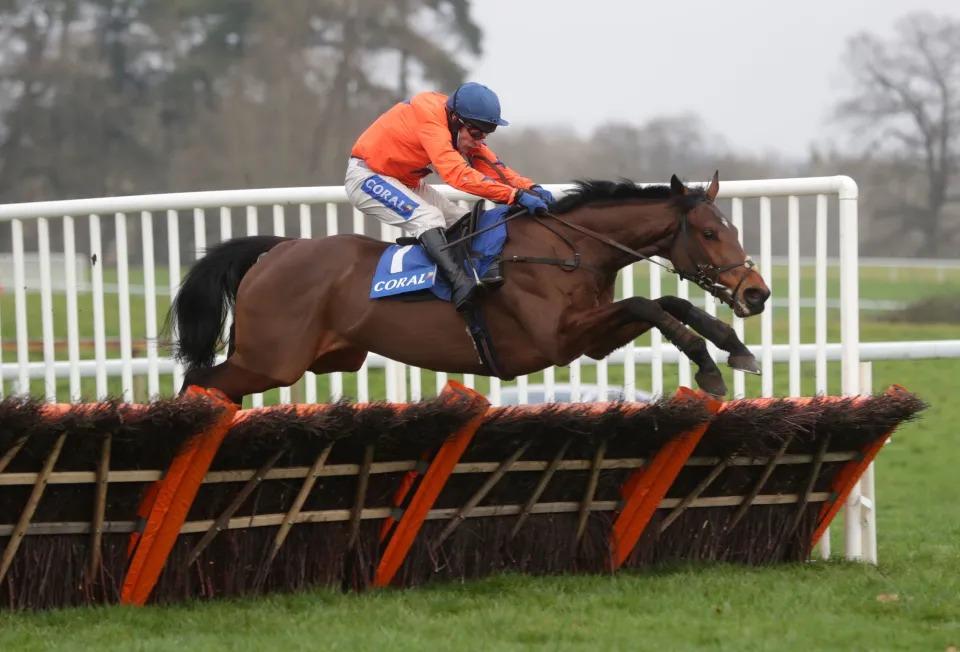
Born in Ireland in 2000, Lough Derg arrived in the Pipe yard as a rangy, unassuming gelding by Old Vic out of a Sadler’s Wells mare. He wasn’t the flashiest prospect—more bone than brilliance at first glance—but there was always that spark, that unyielding determination that hinted at greater things. Under Martin’s guidance, he made his hurdling debut in 2004, showing promise in novice company. But it was when the gloves came off in open competition that Lough Derg truly ignited. His career, spanning 61 starts, yielded those 12 triumphs and a staggering £374,512 in prize money, a testament to his longevity in a sport that chews up and spits out even the toughest competitors.
No rider captured the essence of Lough Derg quite like Tom Scudamore, the son of seven-time champion jockey Peter Scudamore, who partnered the horse to eight of his victories across 45 rides. Their partnership was a masterclass in synergy: Scudamore’s calculated aggression perfectly complementing the gelding’s bottomless reserves of stamina. “I owe him everything,” Scudamore reflected, his words carrying the gravity of a man who has ridden thousands but remembers this one above most. “Lough Derg was my rock through the lean years and the highs alike. He had this way of digging deep when it mattered, turning impossible finishes into something magical. Eight wins? That’s not just numbers; that’s a bond forged in mud and sweat. He kept going long after others would have quit, and in doing so, he pulled me through too. Rest easy, old friend—you were one of a kind.”
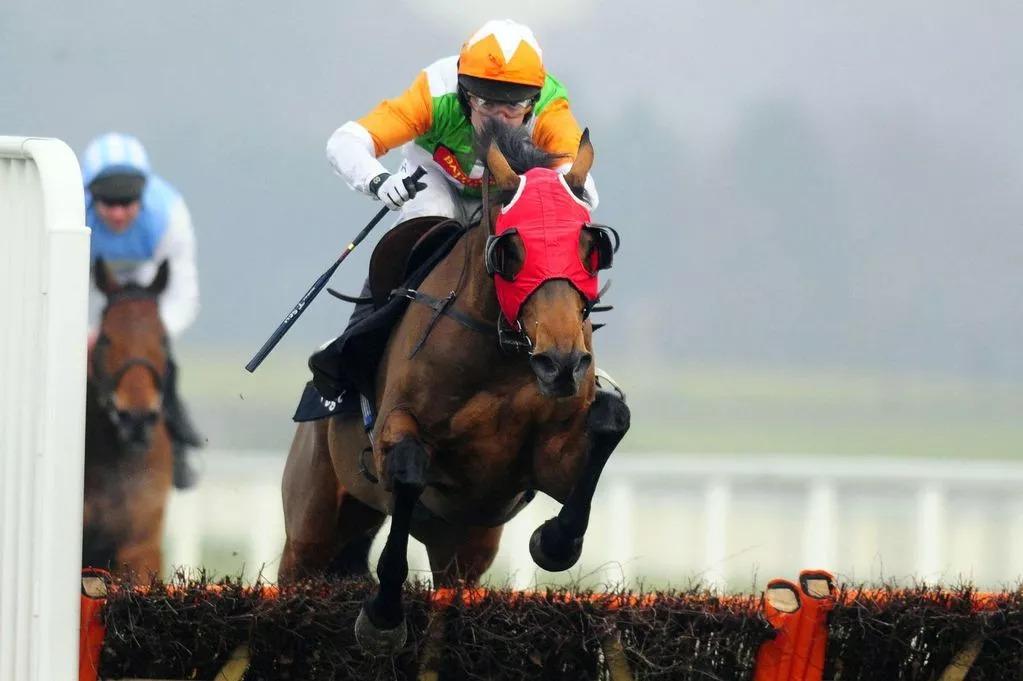
Scudamore’s triumphs aboard Lough Derg read like a greatest-hits album of staying hurdles. There was the gritty defense of the Holloway’s Hurdle at Ascot in 2007, where he held off a late charge from the field to claim back-to-back victories in the three-mile test. That same year, he steered the horse to glory in the Relkeel Hurdle at Cheltenham, a prestigious Listed event that showcased Lough Derg’s trademark blend of speed and staying power. And who could forget the National Spirit Hurdle at Fontwell, a race where the duo’s tenacity shone brightest, repelling all comers in a battle that left spectators roaring?
Yet, for all Scudamore’s indelible imprint, Lough Derg’s story wouldn’t be complete without the three electric wins under the peerless AP McCoy, the 20-time champion jockey whose name alone evokes legends. McCoy, with his whip-cracking precision and unerring instinct, piloted the horse to victories that added extra luster to an already glittering resume. Timmy Murphy also notched a success, but it was McCoy’s rides that elevated Lough Derg to folk-hero status. “He was a proper battler,” McCoy said simply upon hearing the news. “Riding him felt like partnering heart itself—no quit in that one.”
The pinnacle, of course, came on a crisp December afternoon in 2007 at Ascot’s Long Walk Hurdle, a Grade 1 showdown over three miles that stands as one of the great staying hurdles of the era. With Scudamore in the plate, Lough Derg faced a field stacked with champions, including Hardy Eustace, the dual Champion Hurdle winner who had terrorized the division for years. The pair tracked the leaders with characteristic patience, conserving energy for the uphill grind. As the field turned for home, Lough Derg unleashed that lion-hearted surge, powering clear in the straight to win by a decisive four lengths. It was a career-defining moment, not just for the horse but for the sport—a reminder that in jumps racing, where falls and fortunes flip in an instant, it’s the warriors with endless heart who endure.
Beyond the tape and the trophies, Lough Derg’s influence rippled far wider. He raced through the turbulent 2000s, a golden age for British hurdling when stables like the Pipes’ dominated with a mix of breeding savvy and old-school graft. His consistency—finishing placed in races that would break lesser souls—earned him respect from rivals and adoration from fans who saw in him the everyman’s hero. Even in retirement, since hanging up his boots after a final run in 2013, he became a yard favorite, grazing contentedly while youngsters looked on in awe. “He’d stand there like an old sage,” Pipe recalled with a fond smile, “nicking treats from the foals and reminding everyone where the fire comes from.”
As news of his passing spread like wildfire through the racing community, tributes poured in from across the globe. Jockeys swapped stories on social media, trainers raised a glass in quiet toasts, and owners like the late Robert Ogden—Lough Derg’s long-time backer—were remembered through the horse’s unyielding loyalty. In an industry often criticized for its intensity, Lough Derg’s tale is a beacon of the joy it can bring: the thrill of the chase, the bond between man and beast, the sheer poetry of a horse who ran not for glory alone, but because it was in his blood.
Twenty-five years is a lifetime in racing terms, a span that saw technological leaps in training and veterinary care, yet Lough Derg remained a throwback—a horse of honest toil and unbreakable will. David Pipe’s farewell captures it best: a loving nod to a life well-run, a heart that roared until the very end. As the sun sets over Pond House, where so many of his victories were plotted, Lough Derg gallops on in memory, his legacy as vast and enduring as the courses he conquered. Farewell, old lion. The fields will feel emptier without your fire.