Mick Schumacher’s Willingness to Give His “Total Commitment” to IndyCar Led the First Test Session at IMS to Fans Spreading Cheers Around the Paddock
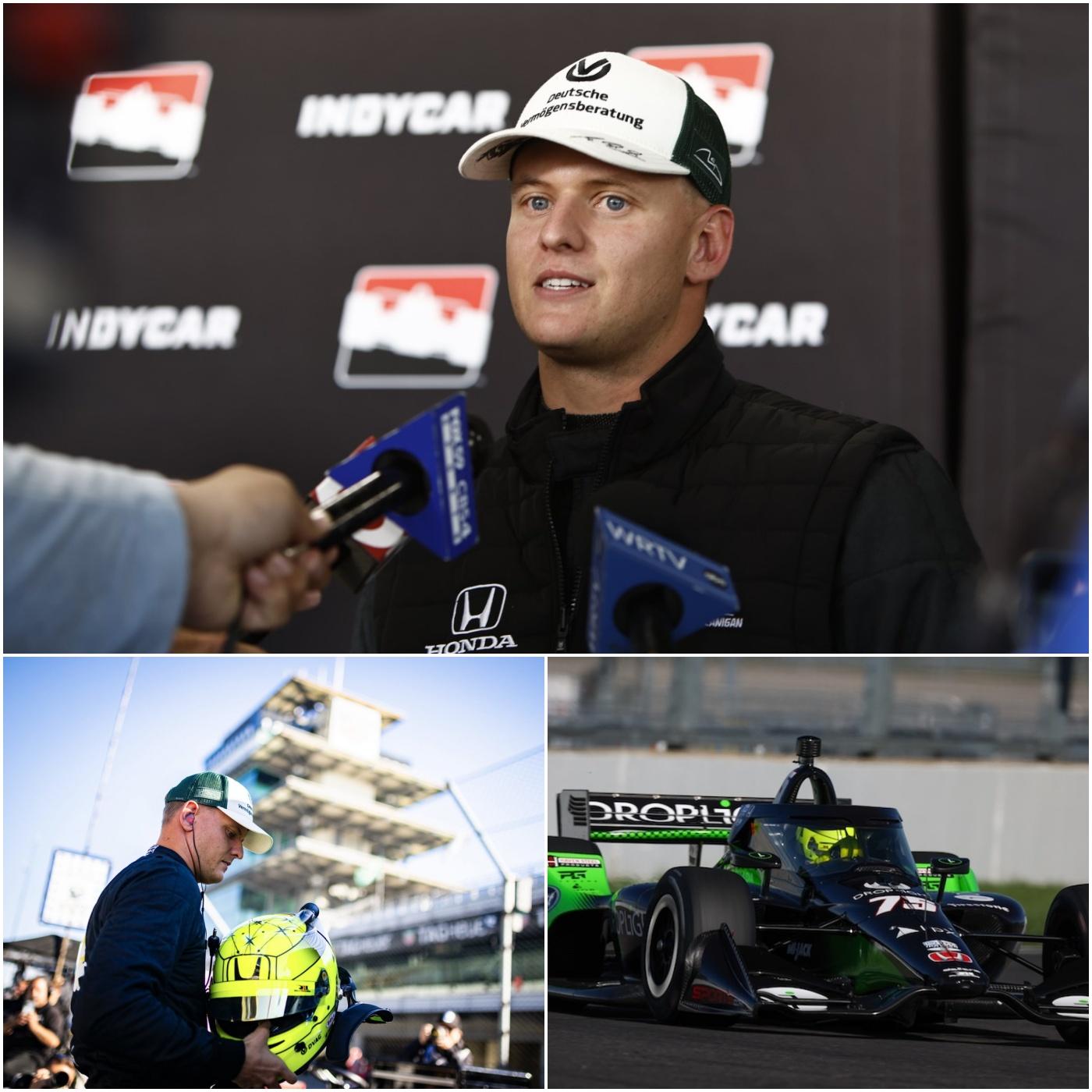
Indianapolis, October 14, 2025 – The air at the Indianapolis Motor Speedway hummed with more than just the roar of engines yesterday. As the autumn sun cast long shadows over the 2.439-mile road course, a familiar name echoed through the paddock: Schumacher. Not the seven-time Formula One titan whose shadow still looms large over the Brickyard, but his son, Mick, who turned heads and sparked cheers with a debut test that felt like a homecoming.
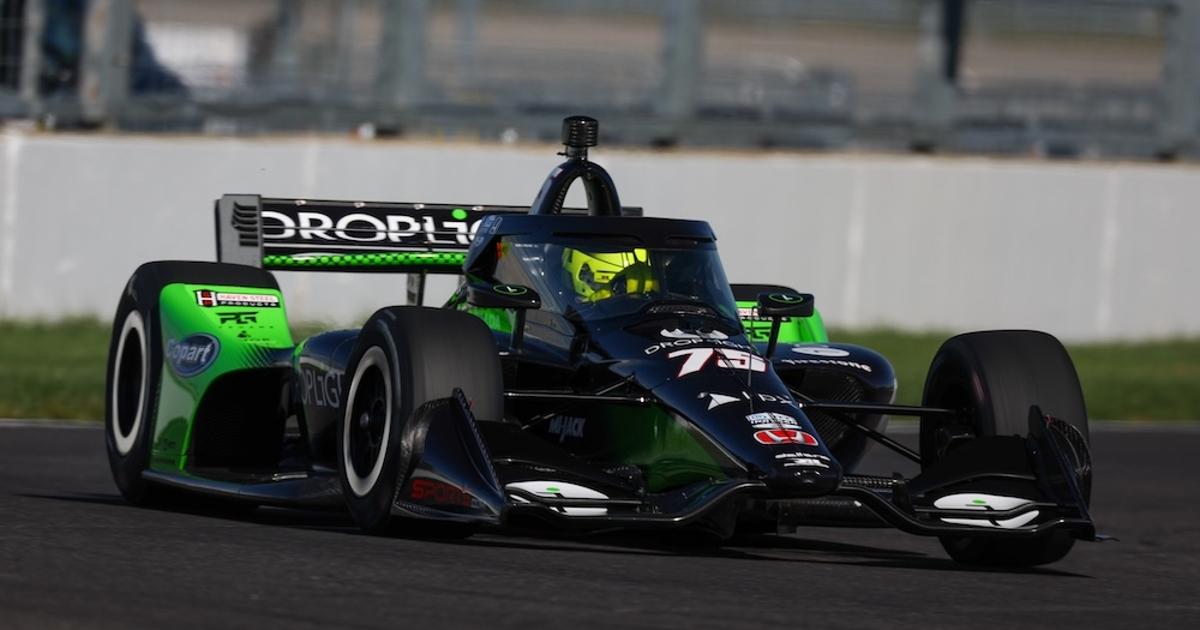
At 26, Mick Schumacher arrived at IMS not as a prodigy chasing ghosts, but as a racer hungry for a new chapter. Fresh off podium finishes in the FIA World Endurance Championship with Alpine—at Imola and Spa-Francorchamps earlier this year—the German driver strapped into Rahal Letterman Lanigan Racing’s No. 75 Honda-powered Dallara DW12 for his first taste of an NTT IndyCar Series machine. The session, held on October 13, wasn’t just laps on track; it was a statement. “I’m giving my total commitment to this,” Schumacher said post-session, his voice steady amid the buzz of mechanics and media. Those words, delivered with the quiet intensity that has defined his career, ignited the crowd. Fans, clustered behind the barriers and spilling into the garages, erupted in applause. Signs reading “Schumi Jr. to Indy!” waved like flags at the 500, and spontaneous chants of “Mick! Mick!” rippled through the paddock, turning a routine test into a spectacle.
The test came together swiftly after Schumacher’s visit to IMS in May, where he shadowed the Indianapolis 500 action on Carb Day alongside friend and former RLL sports car ace Dirk Muller. That trip planted the seed, and by late September, Rahal Letterman Lanigan had locked in the date. Co-owner Bobby Rahal, the 1986 Indy 500 winner and three-time series champion, couldn’t hide his thrill. “I’ve followed Mick’s career—and his father’s—from afar,” Rahal said in the lead-up. “Seeing him in one of our cars? It’s electric.” The team, which posted its strongest showing of the 2025 season at the Sonsio Grand Prix here in May—qualifying second, third, and fifth, with Graham Rahal leading 49 laps—offered a solid baseline. Their IMS setups, honed on this very circuit, promised Schumacher a fair shake at the wheel.
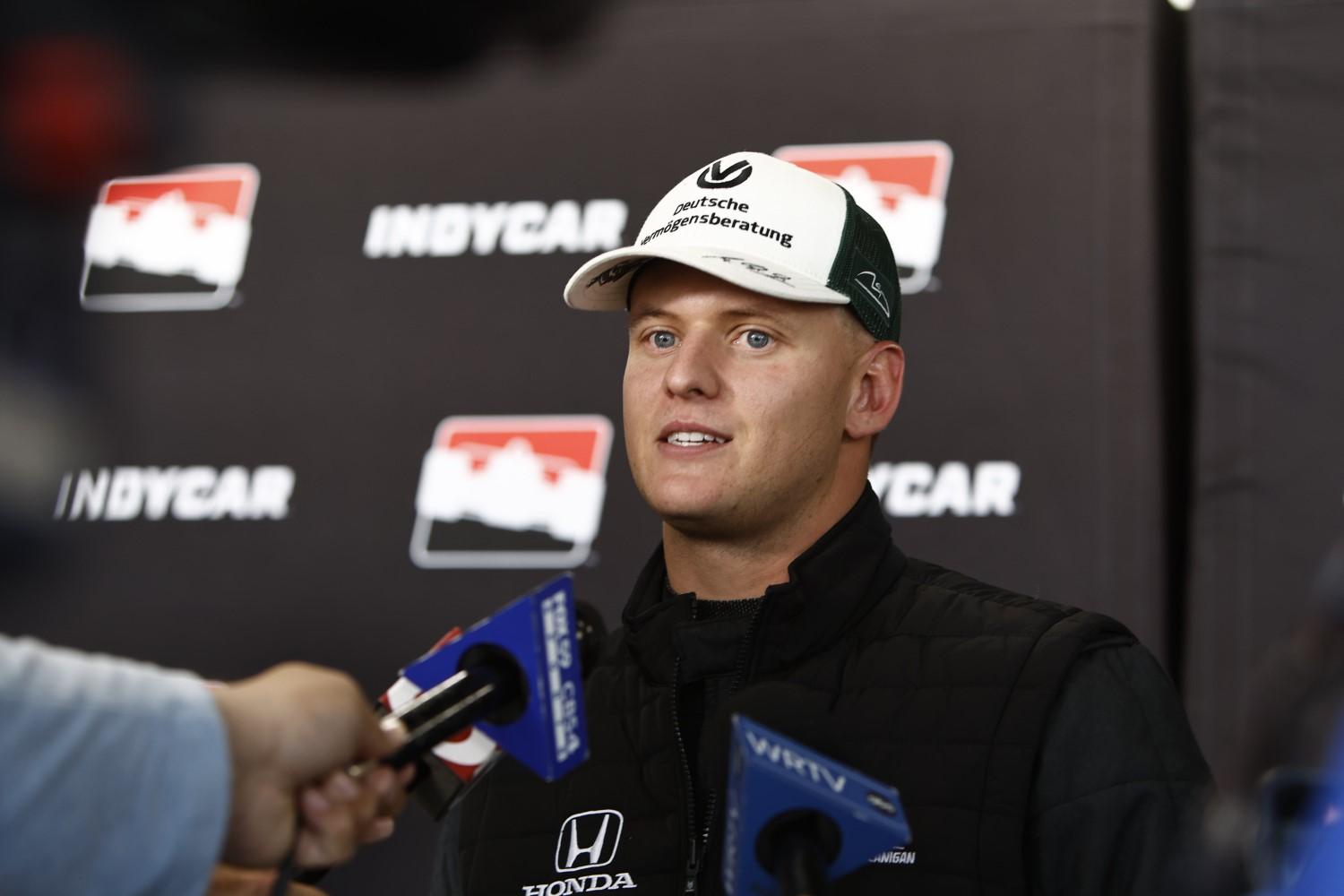
As the green flag dropped, Schumacher wasted no time. Sharing the track with heavyweights like Alexander Rossi and Christian Rasmussen of Ed Carpenter Racing, plus rising stars from INDY NXT by Firestone—Caio Collet, Dennis Hauger, Lochie Hughes, and James Roe—he clocked installation laps before diving into data runs. The IndyCar’s raw feedback hit differently: no power steering, a heftier feel than the Formula 2 car he piloted to the 2020 title, and aero that demands precision on IMS’s 14 turns. “It’s heavier in the steering, but that’s part of the challenge,” Schumacher noted, wiping sweat from his brow after his first stint. “You see the wheels, feel every bump—it’s pure.” By midday, he was posting competitive splits, adapting to the hybrid powertrain’s surge and the DW12’s unforgiving downforce. Engineers huddled over telemetry, nodding approvingly as Schumacher’s lines tightened through the Esses and the Corkscrew.
But it was the paddock’s pulse that truly quickened. Word spread like wildfire on social media: #MickToIndy trended locally within hours, fueled by clips of Schumacher’s smooth braking into Turn 5. Fans, many drawn by the Schumacher legacy—Michael’s five U.S. Grand Prix wins on the old IMS layout from 2000 to 2006—poured in, turning the garages into a sea of green-and-white Mercedes caps (a nod to Mick’s reserve days) and IndyCar banners. One spectator, a lifelong Brickyard regular named Tom Reilly, summed it up: “Michael put this place on the map for F1 fans. Mick? He’s bridging worlds. That commitment he talked about? We felt it.” Cheers swelled each time the No. 75 blurred past the pits, peaking when Schumacher radioed a thumbs-up to his crew after a clean flying lap.
For Rahal Letterman Lanigan, this was more than a courtesy run. President Jay Frye called it “an amazing opportunity to test an elite talent and unite two legendary families.” The team rallied resources: Honda fast-tracked simulator time at their DIL facility, despite maintenance delays, and rookie Louis Foster shadowed Schumacher trackside, offering pointers on curb-riding and traffic flow. No firm deals dangle yet—Schumacher’s WEC calendar wraps at Fuji next month, and F1 reserve duties with Mercedes linger—but the vibe hinted at possibilities. “If this clicks, IndyCar could be home,” Schumacher confided to reporters, eyes alight. His four F1 podiums, 44 starts, and WEC resilience speak volumes; here, without the political grind of grand prix circuits, he seemed unbound.
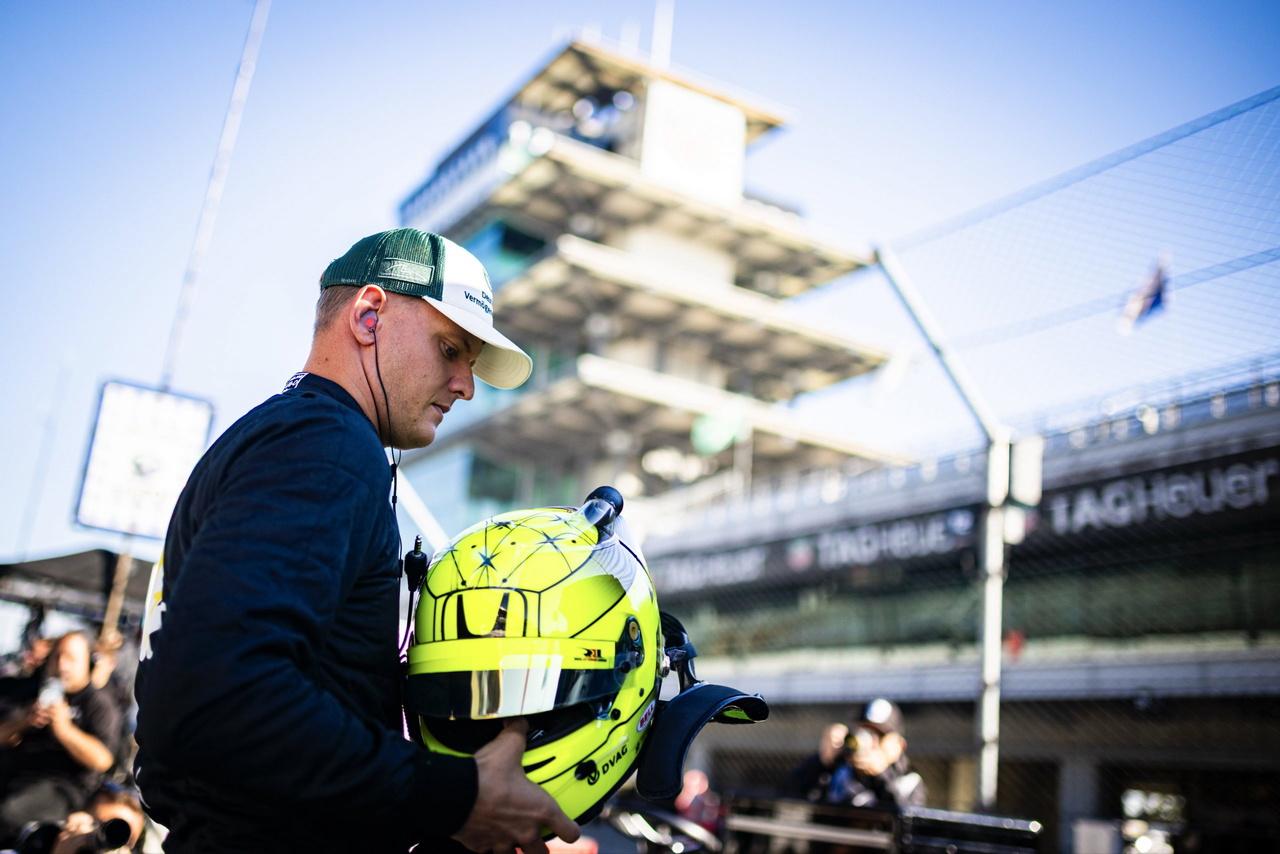
As the checkered flag fell, Schumacher climbed from the cockpit, helmet in hand, greeted by a swarm of well-wishers. Rahal clapped him on the back; fans leaned over fences, phones aloft. The paddock, usually a hive of quiet efficiency post-test, buzzed into evening—stories swapped over coffee, speculation about 2026 seats. Schumacher’s “total commitment” wasn’t hyperbole; it was the spark that lit IMS, reminding everyone why racing endures. In a sport of dynasties and dreamers, Mick’s laps weren’t just data points—they were cheers for the future, echoing from the Yard of Bricks into the night.