Paris Saint-Germain kicked off their Champions League campaign in the best possible way: a resounding 4-0 victory over Atalanta at the Parc des Princes. But beyond the impressive scoreline, one detail caught the attention of all observers: Luis Enrique, the Parisian coach, chose for the second time in a row to spend the first half not on the bench, but in the stands, thus adopting an unprecedented perspective for a coach at this level. A strange strategy, but one that could well become his trademark.

For several months, the former FC Barcelona coach, European champion in 2015, has been seeking to shake up established codes. Injured in the collarbone in a cycling accident, Luis Enrique appeared with his arm in a sling, but far from diminished in his tactical approach. Quite the opposite: he took advantage of this situation to experiment with a method long used in rugby but extremely rare in football. By literally gaining perspective, the Spanish coach claims to see the game “in a completely different way.”
“It’s a unique perspective,” he told Canal Plus. “From up there, I get valuable information that I could never get from the sidelines. At halftime, I can give my players much more precise analyses, with details on our mistakes and our strengths.”
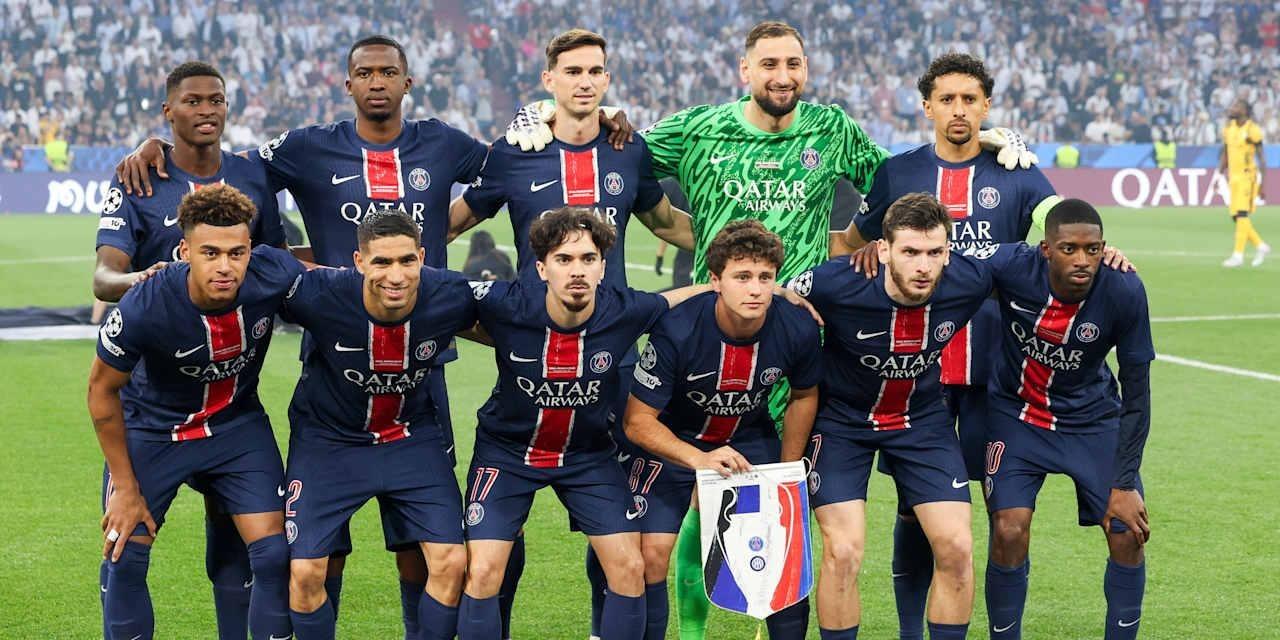
And the results seem to prove him right. Against Lens last Sunday in Ligue 1, his first attempt had already allowed PSG to adjust its game plan after the break and secure a convincing victory. Against Atalanta, the experience paid off again: after a balanced first ten minutes, the Parisians played clinical, relentless football that left the Italians without a response.
This bold choice reveals a fundamental aspect of Luis Enrique’s style: his obsession with constant improvement. Known for his rigor and ability to innovate, he doesn’t hesitate to take risks, even if it provokes surprise or even criticism. Some fans and consultants believe that a coach must be in direct contact with his players throughout the match. But for him, the priority is clear: finding solutions, even if it means breaking certain traditions on the bench.
His approach is all the more striking because it comes at a crucial time for PSG. The Parisian club, obsessed with winning the Champions League, cannot afford any mistakes. After so many years of disillusionment, the Qatari project demands immediate results. What if this “vision from above” was precisely the missing key?
This evening’s opponents, Atalanta, were powerless against Paris’ superiority. “We started well, but after that, it was impossible,” admitted Italian coach Ivan Jurić. “They’re incredible, and I don’t really see what they still need to improve on.” Yet Enrique himself is not satisfied with this flattering assessment. “We still have to improve,” he insisted, pointing out that a European season is long and fraught with pitfalls.
The next match, a trip to Barcelona on October 1st, adds an even more dramatic dimension to this story. Luis Enrique, who wrote a glorious page with the Blaugrana, will return to his former club in a context of sporting and emotional revenge. The spotlight will be on him, and many are already wondering if he will choose to start the match again… from the stands.

Beyond the anecdote, this new approach to matches could inspire other coaches. If it proves decisive in PSG’s success, we could witness a small tactical revolution. After all, football has continued to evolve thanks to those who dare to break the mold, from Guardiola’s use of the false nine to Klopp’s ultra-pressing systems. Enrique, by choosing the high ground, is also seeking to make his mark on the history of the game.
One thing is certain: this PSG, pragmatic, disciplined, and driven by its coach’s innovative ideas, is sending a strong signal to all of Europe. The Parisians no longer just want to participate in the Champions League. They want to dominate it. And if Luis Enrique continues to guide his team with this “celestial vision,” their opponents risk living a true nightmare.