Debate over media regulation in China has intensified again after renewed attention on how television and streaming platforms handle LGBTQ+ characters and same-sex storylines. Critics argue that strict broadcasting rules are reshaping entertainment content and limiting the kinds of narratives audiences can see.
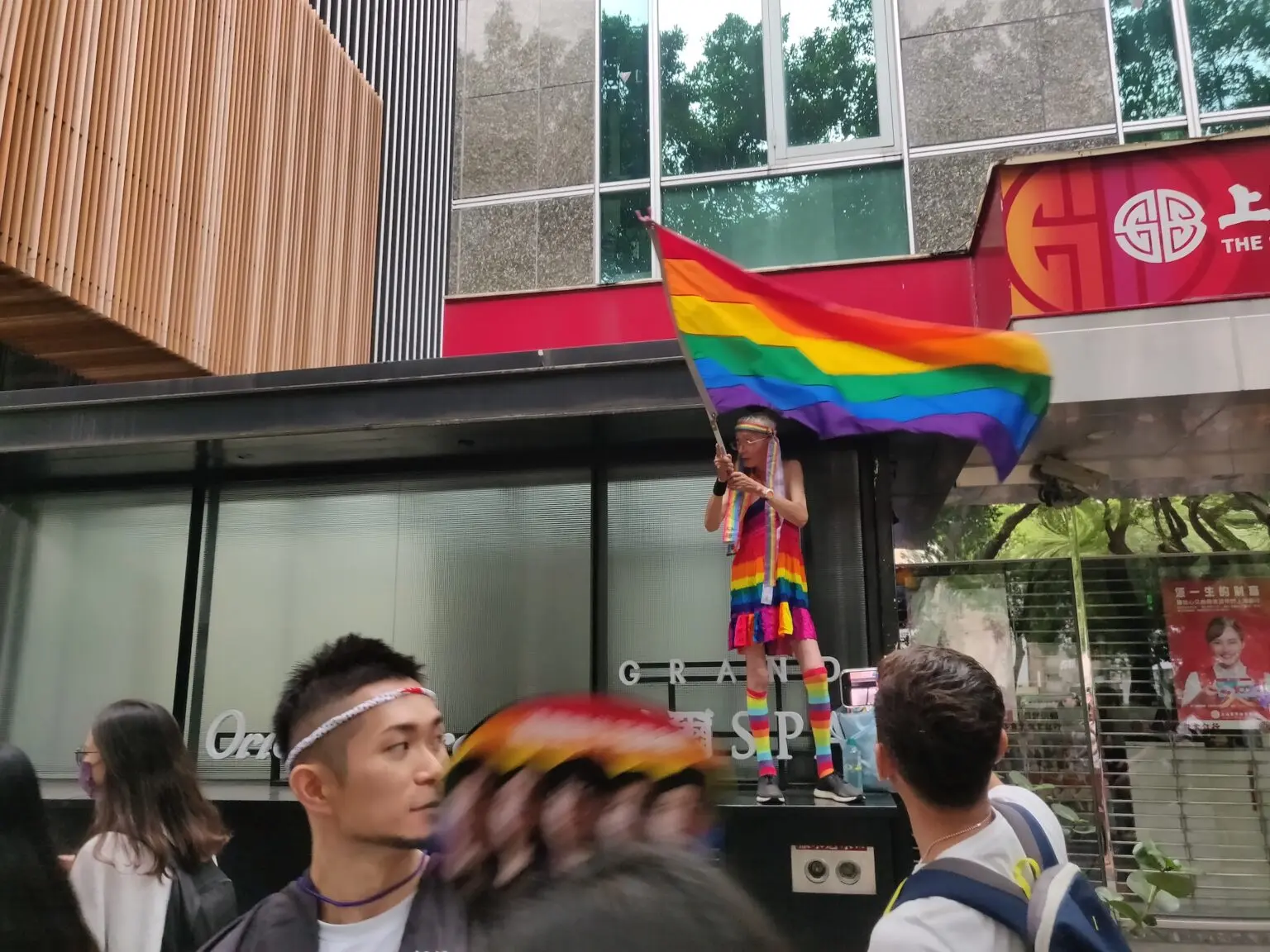
In recent years, regulators have emphasized the promotion of what officials often describe as “traditional values.” Broadcasters and streaming services are encouraged to follow cultural guidelines that prioritize certain family structures and moral themes considered consistent with social stability.
Because of these policies, producers and writers frequently adjust scripts before shows reach the screen. Scenes involving same-sex relationships or LGBTQ+ characters are sometimes shortened, altered, or removed entirely to ensure the content complies with regulatory expectations during approval stages.
Supporters of these guidelines argue that national media systems should reflect cultural priorities and maintain social harmony. They believe entertainment should reinforce values that emphasize family unity, responsibility, and traditions long associated with Chinese society and public life.
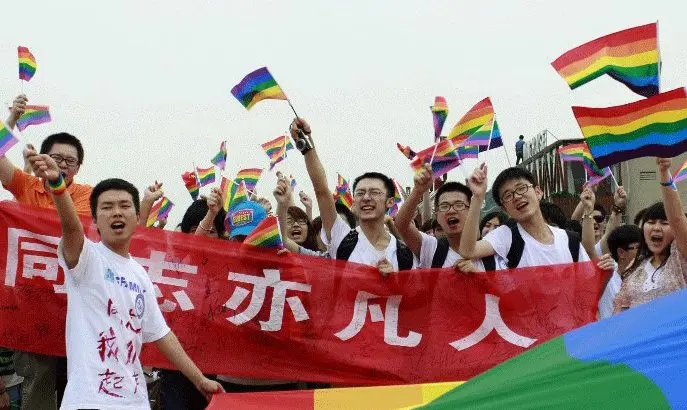
Critics, however, say such restrictions narrow the range of stories that can be told. They argue that removing LGBTQ+ narratives from entertainment limits representation and reduces opportunities for filmmakers to portray the diverse experiences that exist within modern societies.
The discussion has become more visible internationally as Chinese television and streaming platforms expand their reach. Global audiences increasingly encounter edited versions of programs or learn that certain storylines never appeared in domestic broadcasts.
One recent case has drawn particular attention among media analysts and online communities. A popular drama reportedly modified several scenes involving a secondary storyline that originally suggested a romantic connection between two male characters.
According to individuals familiar with the production, earlier drafts of the script included subtle dialogue hinting at a deeper emotional relationship. When the series approached final review, those moments were reportedly rewritten or replaced with more ambiguous interactions.
The changes sparked debate on social media platforms where fans often discuss behind-the-scenes developments. Some viewers expressed disappointment that the original narrative direction was altered before the show reached audiences across television networks and streaming services.
Others argued that producers were simply following the regulatory framework necessary to release their work. In a competitive industry, securing approval for broadcast distribution remains essential for any production hoping to reach large audiences across China.
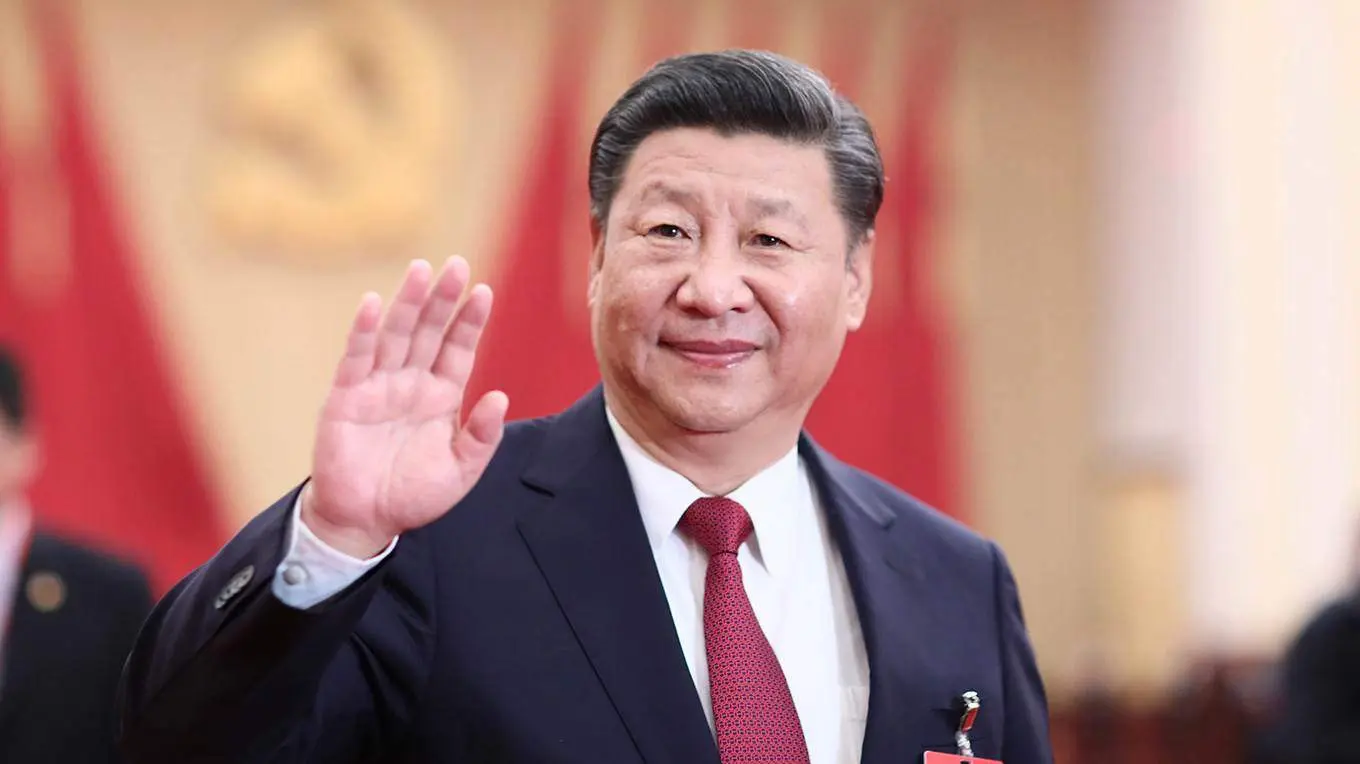
Entertainment companies operating within the country often face complex approval procedures. Scripts, finished episodes, and promotional materials may all undergo review to confirm they align with official standards regarding cultural presentation and moral messaging.
Because of this system, creators frequently adjust their storytelling strategies early in development. Writers sometimes avoid controversial themes altogether, while others present sensitive topics through indirect or symbolic storytelling that may pass regulatory scrutiny.
For international observers, the debate reflects a broader tension between artistic freedom and government oversight. Many countries regulate media in different ways, yet the degree of control over narrative themes can vary significantly across national broadcasting systems.
Chinese regulators have historically emphasized media’s influence on public attitudes. Officials often describe television and online content as powerful cultural tools capable of shaping social values, especially among younger audiences who consume large volumes of digital entertainment.
This perspective explains why authorities encourage broadcasters to highlight themes considered socially constructive. Programs promoting family loyalty, perseverance, historical pride, and collective responsibility frequently receive positive recognition within the domestic media environment.
Yet as China’s entertainment industry grows rapidly, producers increasingly interact with global audiences who may hold different expectations about representation and storytelling. This contrast sometimes intensifies debate when certain themes appear restricted or absent.
The situation has become especially visible in the streaming era. Online platforms make it easier for viewers to compare international versions of shows and notice when certain scenes appear altered or omitted between different markets.
In response, some creators experiment with subtle storytelling techniques. Instead of explicit dialogue, they use symbolism, music, or character development to imply relationships that cannot be portrayed directly within official broadcast guidelines.
Media scholars say these creative strategies demonstrate how filmmakers adapt under regulatory pressure. Even when direct representation becomes difficult, storytelling continues to evolve through alternative methods designed to preserve emotional depth while remaining compliant.
At the same time, advocacy groups continue raising questions about representation. They argue that seeing diverse characters on screen helps audiences understand different perspectives and promotes empathy within societies experiencing rapid social change.
The debate also reflects generational differences in media consumption. Younger viewers who regularly watch international series through global streaming platforms sometimes expect broader representation than what appears in domestically produced programs.
Industry professionals often find themselves balancing multiple pressures. They must satisfy regulators, appeal to audiences, maintain commercial success, and ensure their productions remain competitive in an increasingly crowded entertainment marketplace.
In the recent drama that sparked renewed discussion, producers did not publicly comment in detail about the reported script changes. However, the conversation surrounding the case spread quickly across fan communities and media analysis forums.
Some commentators interpreted the incident as another example of how storytelling evolves within regulatory systems. Others viewed it as evidence that the boundaries of acceptable content continue shifting as authorities refine cultural policies over time.
Despite these debates, China’s television and streaming industries remain among the largest in the world. Hundreds of series and films are produced annually, covering genres ranging from historical epics and romantic dramas to science fiction and contemporary comedies.
Many of these productions achieve enormous domestic popularity and occasionally attract international audiences through distribution partnerships. Their success demonstrates the strength of China’s creative sector despite ongoing discussions about regulatory limitations.
Observers note that policy changes may also occur gradually. Media regulation often evolves alongside broader social conversations, economic priorities, and technological developments shaping how audiences consume entertainment across multiple digital platforms.
For now, producers continue navigating the existing framework while exploring new ways to tell compelling stories. Whether through subtle symbolism, carefully written dialogue, or character-driven plots, creators seek methods that allow emotional complexity within approved boundaries.
The latest controversy surrounding edited storylines highlights how sensitive cultural issues can quickly become focal points of wider debate. A single production decision may prompt broader questions about representation, creative freedom, and national media policy.
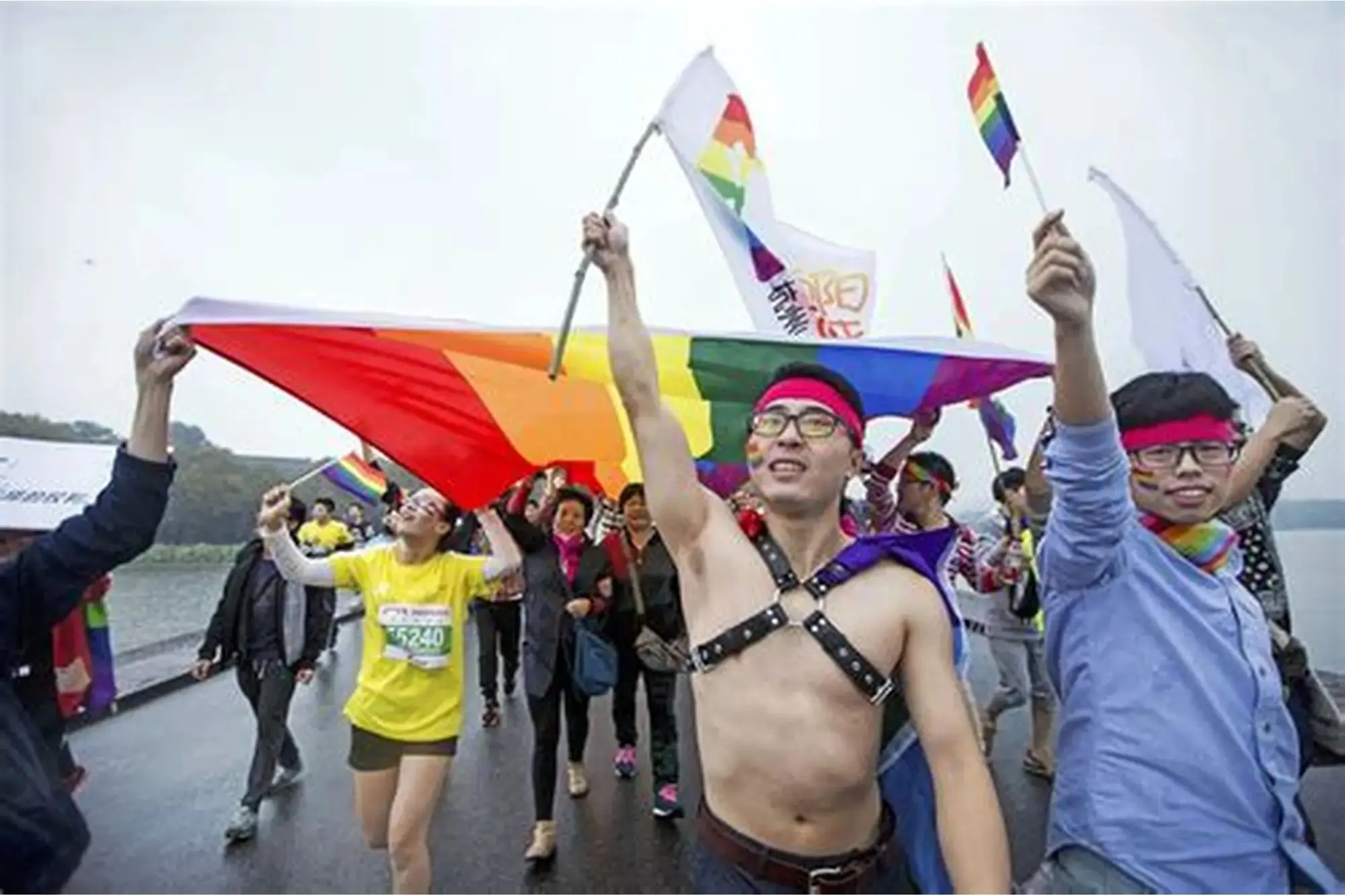
As global entertainment becomes increasingly interconnected, these conversations will likely continue. Audiences around the world now follow developments in different industries more closely, comparing how various countries approach storytelling and cultural regulation.
For viewers, the recent case has served as a reminder that television and streaming content often reflects larger societal dynamics. Behind every scene lies a complex process involving creative vision, regulatory approval, and evolving cultural expectations.
Whether future productions will expand or limit the portrayal of LGBTQ+ narratives in Chinese media remains uncertain. What is clear is that each new controversy invites renewed examination of how storytelling, regulation, and cultural values intersect.
For now, the conversation continues across fan communities, academic circles, and entertainment news outlets. As new shows premiere and policies evolve, the boundaries of what appears on screen will remain a subject of close attention worldwide.